

High Pressure Rubber Hoses vs. Other Hose Types: Which is Best for You?
Apr 04,2026
High Pressure Rubber Hoses vs. Other Hose Types: Which is Best for You? Table of Contents 1. Introduction to Hose Types 2. Importance of Choosing the Right Hose 3. Understanding High Pressure Rubber Hoses 3.1 Construction and Materials Used 3.2 Advantages of High Pressure Rubber Hoses 3.3 Applications of High Pressure Rubber Hoses
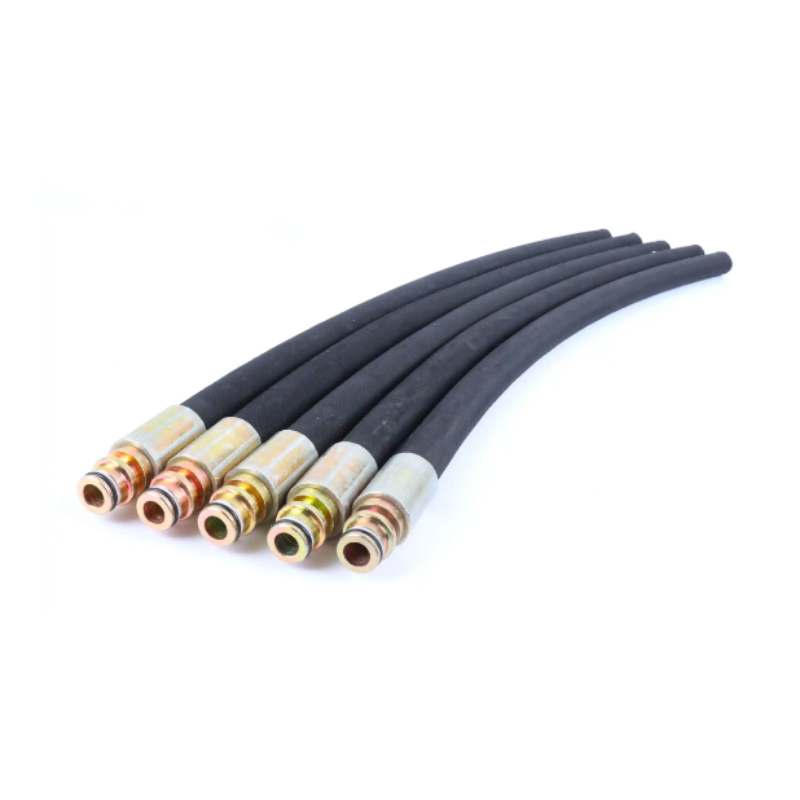
High Pressure Rubber Hoses vs. Other Hose Types: Which is Best for You?
Table of Contents
- 1. Introduction to Hose Types
- 2. Importance of Choosing the Right Hose
- 3. Understanding High Pressure Rubber Hoses
- 3.1 Construction and Materials Used
- 3.2 Advantages of High Pressure Rubber Hoses
- 3.3 Applications of High Pressure Rubber Hoses
- 4. Exploring Other Hose Types
- 4.1 PVC Hoses: Lightweight and Versatile
- 4.2 Metal Hoses: Durability and Heat Resistance
- 4.3 Fabric Hoses: Flexibility and Lightweight
- 5. High Pressure Rubber Hoses vs. Other Hose Types: A Detailed Comparison
- 6. Choosing the Right Hose for Your Needs
- 7. Conclusion
- 8. Frequently Asked Questions
1. Introduction to Hose Types
In the realm of construction and decorative materials, selecting the appropriate hose type is crucial. Among the myriad options available, **high pressure rubber hoses** stand out due to their remarkable performance and versatility. However, they are not the only option available. In this article, we will dive into the world of hoses, comparing high pressure rubber hoses with other types to help you determine the best choice for your specific needs.
2. Importance of Choosing the Right Hose
Selecting the right hose is essential not only for ensuring efficiency but also for guaranteeing safety. Each hose type has its unique features, advantages, and limitations. A hose that performs well in one application may not be suitable for another. Therefore, understanding the differences between high pressure rubber hoses and other hose types can save you time, money, and potential hazards.
3. Understanding High Pressure Rubber Hoses
High pressure rubber hoses are specially designed to withstand higher pressure levels compared to standard hoses. Their robust construction allows them to handle various types of fluids, making them indispensable in various industries.
3.1 Construction and Materials Used
High pressure rubber hoses are typically made from reinforced rubber compounds, which include synthetic materials that enhance flexibility and durability. The construction often incorporates layers of synthetic fabrics and steel wire braiding, providing strength and resistance to bursting under high pressures.
3.2 Advantages of High Pressure Rubber Hoses
- **Superior Pressure Resistance**: These hoses can withstand pressures upwards of 5000 PSI, making them suitable for demanding applications.
- **Versatility**: They can be used for a wide range of fluids, including water, chemicals, and oils.
- **Flexibility**: Despite their strength, high pressure rubber hoses maintain excellent flexibility, allowing for easy maneuverability in tight spaces.
- **Temperature Resilience**: They can function effectively in both high and low-temperature environments.
3.3 Applications of High Pressure Rubber Hoses
High pressure rubber hoses are commonly used in:
- **Hydraulic Systems**: Essential for machinery and equipment in construction and manufacturing processes.
- **Automotive Industry**: Used for fuel lines, power steering, and brake lines.
- **Industrial Cleaning**: High-pressure washers utilize these hoses for effective cleaning.
4. Exploring Other Hose Types
While high pressure rubber hoses are excellent for specific applications, other hose types also serve unique purposes. Here, we will explore PVC hoses, metal hoses, and fabric hoses.
4.1 PVC Hoses: Lightweight and Versatile
PVC hoses are made from polyvinyl chloride, a lightweight and flexible material. They are commonly used for irrigation, drainage, and low-pressure applications.
- **Advantages**:
- Lightweight and easy to handle.
- Resistant to corrosion and chemicals.
- Cost-effective for various applications.
4.2 Metal Hoses: Durability and Heat Resistance
Metal hoses are commonly made from stainless steel or other alloys, designed for high-temperature and high-pressure applications.
- **Advantages**:
- Exceptional durability and longevity.
- Excellent resistance to heat and pressure.
- Suitable for conveying gases and liquids in extreme conditions.
4.3 Fabric Hoses: Flexibility and Lightweight
Fabric hoses are often used for lighter applications, such as air or water transfer. They are made from woven materials and are highly flexible.
- **Advantages**:
- Lightweight and easy to transport.
- Flexible and easy to store.
- Suitable for low-pressure applications.
5. High Pressure Rubber Hoses vs. Other Hose Types: A Detailed Comparison
When evaluating which hose type is best for you, it is essential to consider various factors, including performance metrics, cost-effectiveness, and durability.
5.1 Performance Metrics
High pressure rubber hoses outperform many other types in pressure resistance and versatility. While PVC hoses might be more suitable for lighter applications, they do not match the resilience of rubber hoses under high pressure.
5.2 Cost-Effectiveness
In terms of upfront costs, PVC hoses are generally less expensive. However, high pressure rubber hoses offer value through longevity and reliability, potentially reducing long-term costs associated with replacements and downtime.
5.3 Durability and Lifespan
High pressure rubber hoses have a longer lifespan than many alternatives. Their ability to withstand harsh conditions means fewer replacements and maintenance efforts over time.
6. Choosing the Right Hose for Your Needs
When selecting a hose, consider the following factors:
- **Application**: Identify the specific use case for the hose and the required pressure and temperature ratings.
- **Environment**: Consider the conditions in which the hose will be used, including exposure to chemicals or extreme temperatures.
- **Budget**: Determine your budget not just for the initial purchase but also for long-term maintenance.
By weighing these factors, you can make a more informed decision.
7. Conclusion
In conclusion, both high pressure rubber hoses and other hose types have their unique advantages and are suited for different applications. While high pressure rubber hoses excel in high-pressure environments and versatility, other types like PVC, metal, and fabric hoses cater to specific needs as well. Understanding these differences will empower you to choose the right hose for your applications, ensuring efficiency, safety, and cost-effectiveness.
8. Frequently Asked Questions
1. What are high pressure rubber hoses used for?
High pressure rubber hoses are generally used in hydraulic systems, automotive fuel lines, and industrial cleaning applications requiring high pressure.
2. How do high pressure rubber hoses compare to PVC hoses?
High pressure rubber hoses are more resilient under pressure and can withstand higher temperatures, while PVC hoses are lighter and more affordable for low-pressure applications.
3. Are metal hoses better than rubber hoses?
Metal hoses are superior for high-temperature applications, while high pressure rubber hoses offer better flexibility and are suitable for various fluids.
4. What factors should I consider when choosing a hose?
Consider the application, environment, budget, and required pressure ratings when selecting a hose.
5. Can high pressure rubber hoses handle chemicals?
Yes, high pressure rubber hoses can handle a wide range of chemicals, but always check the specific compatibility of the rubber material with the chemicals involved.
By presenting this thorough analysis of high pressure rubber hoses and other hose types, we aim to equip you with the necessary information to make a well-informed decision tailored to your specific requirements in the construction and decorative materials sector.
Key words:
PREVIOUS:


Ask For A Quick Quote
Contact Us
Manager Liu
West Market, Jing County, Hengshui City, Hebei Province
Our Products
Always focused on the field of hydraulic rubber and plastic, with outstanding technical strength, high-quality products and services, we have become a leading enterprise in the industry.
PRODUCT SEARCH
Search And Quickly Find The Products You Need
With advantages in technology, quality, and service, the company is steadily advancing in the industry, continuously providing high-quality hydraulic rubber products and services to global customers, demonstrating strong development potential and broad market prospects.