

Understanding Stainless Steel Joints: Essential Insights for Construction and Decoration Professionals
Apr 02,2026
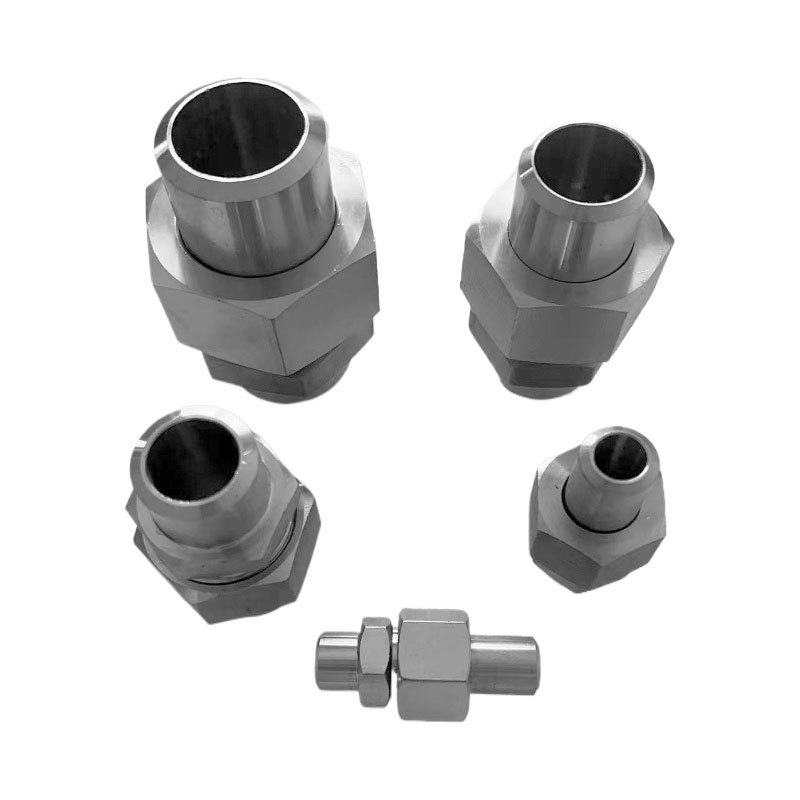
Stainless steel joints play a fundamental role in the integrity and longevity of pipeline systems in the construction and decoration sector. These joints are designed to connect different sections of piping, ensuring seamless fluid transfer while maintaining structural integrity. Due to their durability and resistance to corrosion, stainless steel joints are particularly favored in environments wh

One of the primary types of stainless steel joints utilized in construction is the welded joint. Welding provides a robust connection that minimizes the risk of leaks, which is vital in both residential and commercial applications. It’s essential for professionals to choose the correct welding method, such as TIG or MIG welding, based on the specific requirements of the project.
Another common type is the threaded joint, which offers ease of installation and disassembly. This type is particularly beneficial in situations where maintenance is anticipated, as it allows for quick access to different pipeline sections without extensive modifications to the surrounding structures. Understanding the installation requirements and torque specifications for threaded joints can significantly enhance their performance and reliability.
Flanged joints are also widely used, particularly in large-scale projects where quick connection and disconnection are necessary. Flanges allow for easy alignment and adjustment during installation, making them ideal for complex systems with multiple components. Professionals should be aware of the various flange standards and sizes to ensure compatibility with existing systems.
In addition to their functional benefits, stainless steel joints contribute to the aesthetic appeal of construction projects. Their sleek, polished finish complements modern design principles, making them a popular choice for visible piping in decorative installations. When selecting stainless steel joints, it is crucial to consider the grade of stainless steel. Higher-grade materials, such as 316 stainless steel, provide superior resistance to corrosion and are recommended for use in harsh environments.
Moreover, the maintenance of stainless steel joints is relatively straightforward. Regular inspections for signs of wear, corrosion, or joint failure can prevent significant issues down the line. Keeping joints clean and free from contaminants can enhance their lifespan and functionality.
In summary, stainless steel joints are indispensable in the construction and decoration industry. Understanding their types, applications, and maintenance is vital for professionals seeking to ensure the durability and efficiency of their pipeline systems. By leveraging the benefits of stainless steel joints, construction experts can enhance both the performance and appearance of their projects.
Key words:
PREVIOUS:


Ask For A Quick Quote
Contact Us
Manager Liu
West Market, Jing County, Hengshui City, Hebei Province
Our Products
Always focused on the field of hydraulic rubber and plastic, with outstanding technical strength, high-quality products and services, we have become a leading enterprise in the industry.
PRODUCT SEARCH
Search And Quickly Find The Products You Need
With advantages in technology, quality, and service, the company is steadily advancing in the industry, continuously providing high-quality hydraulic rubber products and services to global customers, demonstrating strong development potential and broad market prospects.