Crimp Fittings: The Unsung Heroes of Fluid Connections
Apr 04,2026
Discover the importance and versatility of crimp fittings in various applications.
Introduction to Crimp Fittings
When it comes to connecting hoses and tubes in various industries, crimp fittings often play a vital role. These little devices might not be the star of the show, but they sure make a significant impact behind the scenes. So, what are crimp fittings, and why should you care? Let's dive in!
What Exactly Are Crimp Fittings?
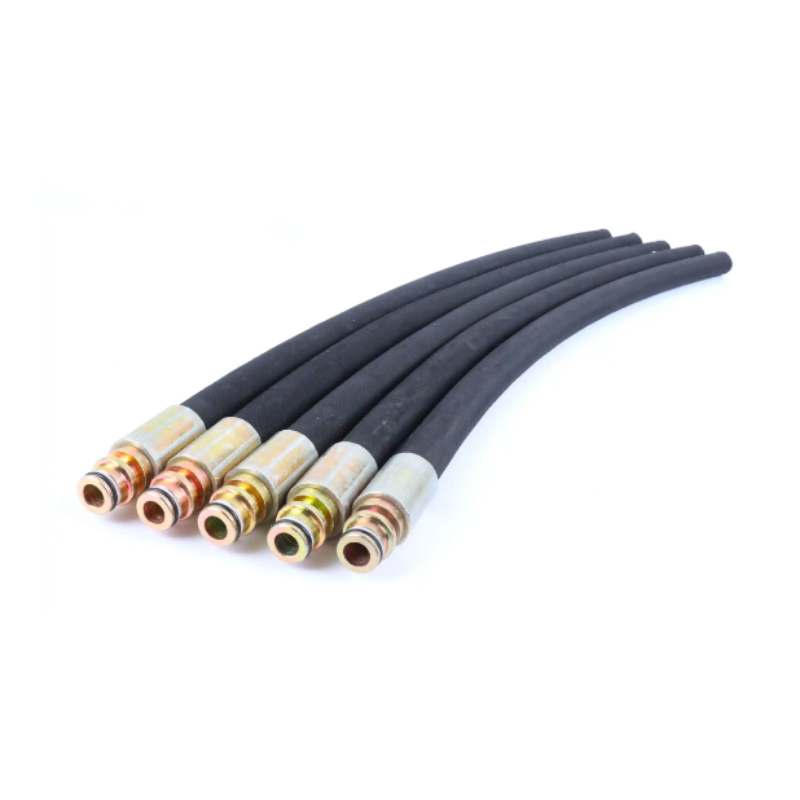
Crimp Fittings are mechanical connectors used to join hoses to various components, such as valves and pumps. They work by compressing a metal sleeve around the hose, creating a secure and leak-proof seal. This simple yet effective mechanism has made them a go-to choice for many applications, from automotive to industrial.
Advantages of Using Crimp Fittings
Now, you might be wondering, "What's so great about crimp fittings?" Well, here are a few perks:
- Durability: Once crimped, these fittings can withstand considerable pressure and are resistant to wear and tear.
- Versatility: They come in various sizes and materials, making them suitable for a wide range of applications.
- Easy Installation: With the right tools, crimp fittings can be installed quickly, saving time and hassle.
Where Are Crimp Fittings Used?
Crimp Fittings are everywhere! Whether you're driving your car, using a garden hose, or working in a factory, chances are you've encountered these handy connectors. Here are some common uses:
- Automotive: These fittings are essential for fuel and brake lines, ensuring safe and efficient operation.
- Industrial: In manufacturing settings, crimp fittings are used for hydraulic systems and pneumatic tools.
- Aerospace: They're crucial for ensuring the reliability of aircraft systems.
Choosing the Right Crimp Fittings
So, how do you select the best crimp fittings for your project? Here are a few tips:
- Material: Consider the environment where the fittings will be used. Stainless steel is great for corrosive environments, while aluminum is lighter and often more cost-effective.
- Size: Measure the diameter of the hose and ensure the fitting matches perfectly.
- Pressure Ratings: Always check the pressure ratings to ensure they meet the demands of your application.
Installation Tips for Crimp Fittings
Installing crimp fittings isn't rocket science, but a few best practices can make a world of difference:
- Use a quality crimping tool—trust us, it pays off!
- Ensure the hose is cut cleanly and squarely.
- Don't rush! Take your time to ensure a snug fit.
Conclusion: The Importance of Crimp Fittings
In conclusion, crimp fittings might not always get the limelight they deserve, but their role in ensuring fluid connections cannot be overstated. Whether you're in construction, automotive, or any other field, understanding these fittings can save you time, money, and potentially a lot of headaches down the line. So, the next time you see a crimp fitting, give it a nod of appreciation for all the hard work it does!
Key words:
PREVIOUS:


Ask For A Quick Quote
Contact Us
Manager Liu
West Market, Jing County, Hengshui City, Hebei Province
Our Products
Always focused on the field of hydraulic rubber and plastic, with outstanding technical strength, high-quality products and services, we have become a leading enterprise in the industry.
PRODUCT SEARCH
Search And Quickly Find The Products You Need
With advantages in technology, quality, and service, the company is steadily advancing in the industry, continuously providing high-quality hydraulic rubber products and services to global customers, demonstrating strong development potential and broad market prospects.