
Enhancing Durability in Pipeline Systems with Stainless Steel Joints
Apr 12,2026
Enhancing Durability in Pipeline Systems with Stainless Steel Joints Introduction to Pipeline Systems Pipeline systems are the backbone of various industries, facilitating the efficient transport of water, oil, gas, and other essential materials. The durability and reliability of these systems are paramount, as failures can lead to costly downtime, environmental hazards, and significant safety

Enhancing Durability in Pipeline Systems with Stainless Steel Joints
Introduction to Pipeline Systems
Pipeline systems are the backbone of various industries, facilitating the efficient transport of water, oil, gas, and other essential materials. The durability and reliability of these systems are paramount, as failures can lead to costly downtime, environmental hazards, and significant safety risks. In this context, the choice of materials used in pipeline construction and maintenance plays a critical role.
Understanding the Importance of Joints in Pipeline Systems
Joints in pipeline systems serve as critical connection points, allowing different sections of pipes to work together seamlessly. The integrity of these joints is essential, as they are often the weakest links in the system. Poor-quality joints can lead to leaks, structural failures, and costly repairs. Therefore, selecting the right materials for these joints is vital for ensuring the overall durability of the pipeline system.
The Role of Stainless Steel in Pipeline Construction
Stainless steel has gained significant popularity in pipeline construction due to its exceptional properties. Known for its corrosion resistance, strength, and long lifespan, stainless steel offers a reliable solution for a variety of applications. It is particularly beneficial in environments where the pipeline may be exposed to harsh conditions, such as chemicals, moisture, and extreme temperatures.
Corrosion Resistance: A Key Benefit of Stainless Steel Joints
One of the most significant advantages of using stainless steel joints is their superior corrosion resistance. Traditional materials, such as carbon steel, are prone to rust and degradation over time when exposed to moisture and acidic substances. Stainless steel, on the other hand, contains chromium, which forms a protective oxide layer on the surface, preventing corrosion and extending the lifespan of the joints.
Strength and Durability of Stainless Steel Joints
In addition to its corrosion resistance, stainless steel is known for its high strength-to-weight ratio. This makes it an ideal choice for pipeline systems that require robust and durable components. Stainless steel joints can withstand high pressures and temperatures, ensuring that pipeline systems remain operational under demanding conditions.
Types of Stainless Steel Joints Used in Pipeline Systems
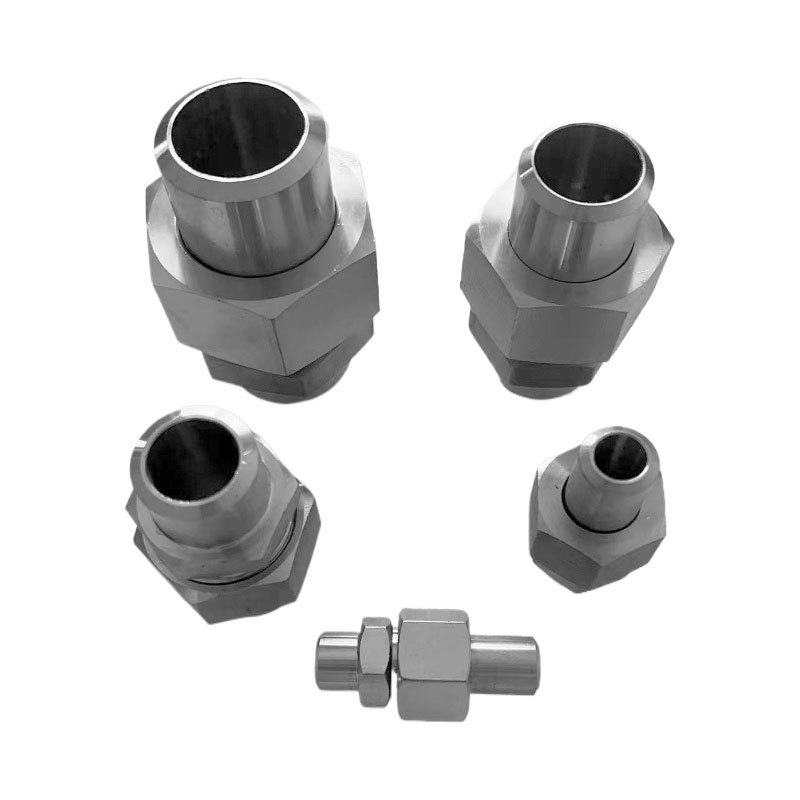
Several types of stainless steel joints are commonly used in pipeline systems, each designed for specific applications and environments. Understanding these types can help in making informed decisions regarding pipeline construction.
Welded Joints
Welded joints involve the fusion of two stainless steel pieces using heat. This method creates a permanent bond, ensuring a strong connection. Welded joints are often used in high-pressure applications, as they provide excellent strength and integrity.
Flanged Joints
Flanged joints consist of two flanges, which are bolted together to create a tight seal. This type of joint is easy to assemble and disassemble, making it suitable for applications requiring regular maintenance. Flanged joints are commonly used in water and wastewater pipelines.
Threaded Joints
Threaded joints involve screwing together two pieces of stainless steel pipe. This method is often used in smaller pipelines and applications where space is limited. While not as strong as welded or flanged joints, threaded joints can still provide a reliable connection when properly installed.
Advantages of Using Stainless Steel Joints in Pipeline Systems
Investing in stainless steel joints for pipeline systems offers numerous advantages that can greatly enhance overall performance and longevity.
Longevity and Reduced Maintenance
The durability of stainless steel joints translates to a longer lifespan for the entire pipeline system. This longevity reduces the frequency of repairs and maintenance, leading to lower operational costs over time. Organizations can allocate resources more efficiently, focusing on other critical areas of their operations.
Cost Savings in the Long Run
While the initial investment in stainless steel joints may be higher than traditional materials, the long-term cost savings are substantial. Reduced maintenance and replacement needs, along with fewer operational disruptions, make stainless steel joints a cost-effective choice for pipeline systems.
Environmental Benefits of Stainless Steel
Stainless steel is a recyclable material, contributing to environmental sustainability in pipeline construction. Using stainless steel joints reduces the need for frequent replacements, minimizing waste and promoting a circular economy. This environmentally friendly aspect is increasingly important for industries seeking to reduce their carbon footprint.
Best Practices for Installing Stainless Steel Joints
To maximize the benefits of stainless steel joints in pipeline systems, adhering to best practices during installation is essential.
Proper Surface Preparation
Before installation, ensure that the surfaces of the stainless steel joints are clean and free from contaminants. Any dirt, grease, or debris can compromise the integrity of the joint, leading to potential failures. Use appropriate cleaning methods, such as solvents or mechanical cleaning, to prepare the surfaces adequately.
Follow Manufacturer Guidelines
Always refer to the manufacturer’s guidelines for installation procedures and specifications. These guidelines provide valuable information on the correct torque settings, alignment, and other crucial factors that ensure the joint’s integrity and longevity.
Regular Inspections and Maintenance
After installation, regular inspections of stainless steel joints are vital. Periodically check for signs of wear, corrosion, or leaks. Implementing a routine maintenance schedule can help identify issues early, preventing costly repairs and extending the lifespan of the pipeline system.
Case Studies: Success Stories of Stainless Steel Joints in Pipeline Systems
Real-world examples of successful implementations of stainless steel joints in pipeline systems underscore their effectiveness and reliability.
Case Study 1: Water Treatment Facility
A large water treatment facility faced frequent issues with their carbon steel pipelines, which were prone to corrosion and leaks. After switching to stainless steel joints, the facility experienced a significant reduction in maintenance costs and operational downtime. The longevity and durability of the stainless steel joints ensured a reliable water supply with minimal interruptions.
Case Study 2: Oil and Gas Pipeline
In a high-pressure oil and gas pipeline, the use of stainless steel joints proved invaluable. The joints maintained their integrity under extreme conditions, reducing the risk of leaks and enhancing safety. The decision to use stainless steel not only improved operational efficiency but also aligned with the organization’s commitment to sustainability.
Common Misconceptions about Stainless Steel Joints
Despite their benefits, several misconceptions may deter industries from adopting stainless steel joints in their pipeline systems.
Myth 1: Stainless Steel is Too Expensive
While the upfront cost may be higher, the long-term savings in maintenance and replacement expenses outweigh the initial investment. Stainless steel joints provide value through their durability and reduced operational disruptions.
Myth 2: Stainless Steel is Not Suitable for All Applications
Stainless steel is versatile and can be used in various applications, including those involving corrosive substances. Understanding the specific requirements of each application can help organizations make informed decisions about using stainless steel joints.
FAQs: Clarifying Common Queries about Stainless Steel Joints
1. What types of stainless steel are best for pipeline joints?
Austenitic stainless steels, such as 304 and 316, are commonly used for pipeline joints due to their excellent corrosion resistance and strength.
2. How do I know if stainless steel joints are suitable for my application?
Consider factors such as the type of fluid being transported, temperature, pressure, and environmental conditions. Consulting with industry experts can help determine the best material for your specific needs.
3. Can stainless steel joints be repaired if damaged?
In many cases, damaged stainless steel joints can be repaired through welding or replacement. Regular inspections can help identify issues early, making repairs easier and more effective.
4. What maintenance is required for stainless steel joints?
Routine inspections for signs of corrosion or wear and proper cleaning to remove contaminants are essential. Following manufacturer guidelines for maintenance can prolong the life of the joints.
5. Are there any industry standards for stainless steel joints in pipeline systems?
Yes, various industry standards and codes regulate the use of stainless steel in pipeline systems, including ASME, ASTM, and ISO standards. Compliance with these standards ensures safety and reliability.
Conclusion
In conclusion, stainless steel joints are an indispensable component of modern pipeline systems, offering unmatched durability, corrosion resistance, and cost savings. By investing in high-quality stainless steel joints, industries can enhance the performance and reliability of their pipeline systems, ensuring efficient transport of essential materials. The transition to stainless steel is not just a choice for today but a long-term investment that paves the way for sustainable and efficient operations in the future.
Key words:
PREVIOUS:


Ask For A Quick Quote
Contact Us
Manager Liu
West Market, Jing County, Hengshui City, Hebei Province
Our Products
Always focused on the field of hydraulic rubber and plastic, with outstanding technical strength, high-quality products and services, we have become a leading enterprise in the industry.
PRODUCT SEARCH
Search And Quickly Find The Products You Need
With advantages in technology, quality, and service, the company is steadily advancing in the industry, continuously providing high-quality hydraulic rubber products and services to global customers, demonstrating strong development potential and broad market prospects.