

Understanding Stainless Steel Joints: Essential Components for Pipe Systems
Apr 10,2026
Stainless steel joints are critical components in the construction and decoration materials industry, particularly when it comes to pipe systems. These joints serve as connectors for various pipe sections, ensuring a secure and leak-proof assembly. Given the diverse applications of piping systems in residential, commercial, and industrial settings, understanding stainless steel joints is essential
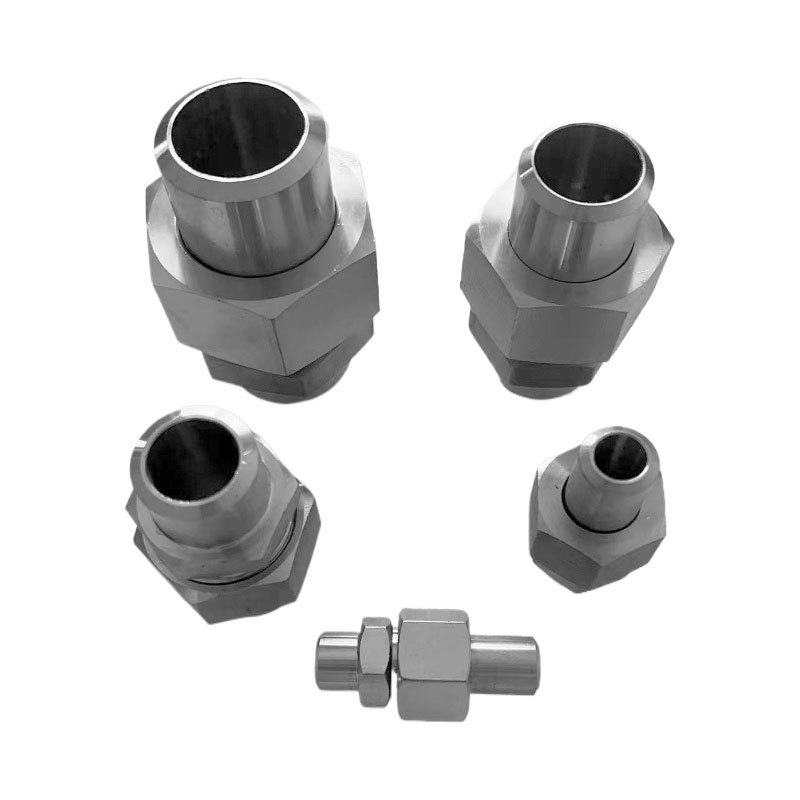
One of the primary advantages of stainless steel joints is their exceptional durability. Stainless steel is renowned for its resistance to corrosion and rust, which are common issues in piping systems exposed to moisture or harsh environments. This characteristic makes stainless steel joints particularly valuable in applications such as plumbing, heating, and cooling systems, where longevity and reliability are paramount.
Another benefit of stainless steel joints is their ability to withstand high temperatures and pressures. In many industrial applications, pipes need to handle extreme conditions. Stainless steel joints are engineered to maintain their structural integrity under such circumstances, making them suitable for a wide range of applications, including oil and gas pipelines, chemical processing, and steam distribution systems.
Stainless steel joints also provide excellent aesthetic appeal, which is crucial in decorative applications. For projects where visual impact matters, such as architectural installations, the sleek and polished appearance of stainless steel joints can enhance the overall design. This aesthetic versatility allows architects and designers to incorporate piping elements without compromising on style.
When it comes to installation, stainless steel joints are relatively easy to work with, provided that proper techniques are employed. The use of compatible tools and adherence to industry standards are essential to ensure a secure and efficient installation. Maintenance is another area where stainless steel joints shine. Due to their corrosion resistance, they typically require less frequent maintenance compared to joints made from other materials. Regular inspections and basic cleaning can help prolong their lifespan and ensure optimal performance.
It's also worth noting that the choice of joint design—such as welded, threaded, or flanged—depends on the specific requirements of the application. Each design has its own strengths and is suited for different scenarios. For example, welded joints provide a permanent solution and are ideal for high-stress applications, while threaded joints allow for easy assembly and disassembly.
In summary, stainless steel joints are indispensable components in the piping systems of the construction and decorative materials industry. Their durability, resistance to extreme conditions, and aesthetic versatility make them a preferred choice for professionals. Understanding these attributes can help stakeholders make informed decisions when selecting materials for their projects, ensuring both functionality and design integrity.
Key words:
PREVIOUS:



Ask For A Quick Quote
Contact Us
Manager Liu
West Market, Jing County, Hengshui City, Hebei Province
Our Products
Always focused on the field of hydraulic rubber and plastic, with outstanding technical strength, high-quality products and services, we have become a leading enterprise in the industry.
PRODUCT SEARCH
Search And Quickly Find The Products You Need
With advantages in technology, quality, and service, the company is steadily advancing in the industry, continuously providing high-quality hydraulic rubber products and services to global customers, demonstrating strong development potential and broad market prospects.