

The Future of Industrial Rubber Hoses in Modern Construction: Innovations, Applications, and Trends
Apr 08,2026
The Future of Industrial Rubber Hoses in Modern Construction Table of Contents 1. Introduction to Industrial Rubber Hoses 2. Historical Overview of Rubber Hoses in Construction 3. Innovations in Industrial Rubber Hoses 4. Applications of Rubber Hoses in Modern Construction 5. Benefits of Using Rubber Hoses 6. Sustainability and Environmental Impact 7. Future Trends in
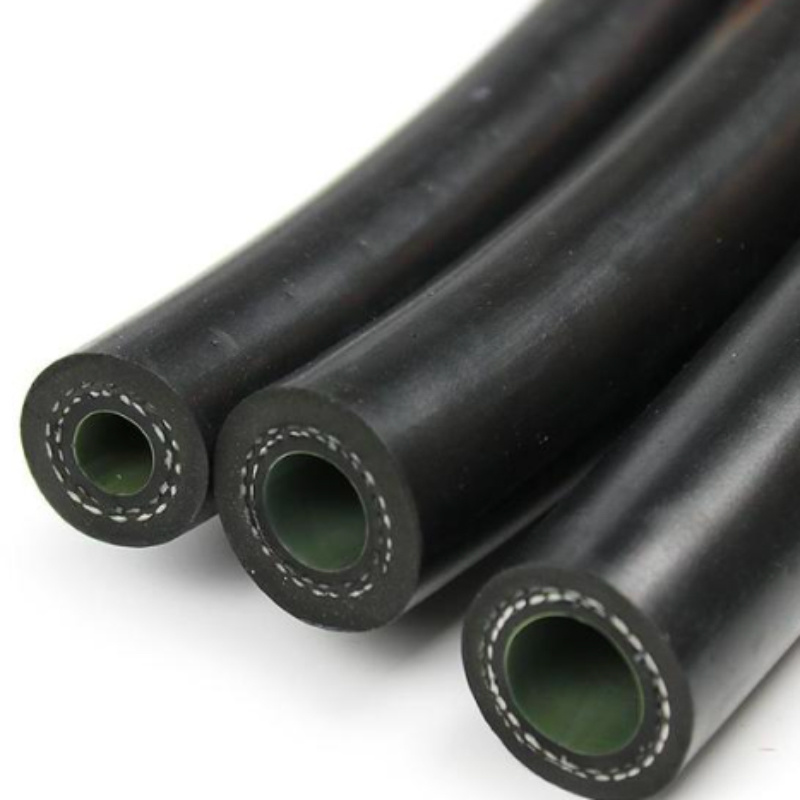
The Future of Industrial Rubber Hoses in Modern Construction
Table of Contents
- 1. Introduction to Industrial Rubber Hoses
- 2. Historical Overview of Rubber Hoses in Construction
- 3. Innovations in Industrial Rubber Hoses
- 4. Applications of Rubber Hoses in Modern Construction
- 5. Benefits of Using Rubber Hoses
- 6. Sustainability and Environmental Impact
- 7. Future Trends in Rubber Hose Technology
- 8. Conclusion
- 9. FAQs
1. Introduction to Industrial Rubber Hoses
Industrial rubber hoses have become a vital component in the construction industry, serving multiple functions, from fluid transfer to air supply. These hoses are designed to withstand high pressures and harsh environmental conditions, making them indispensable in various construction applications. As we move forward into an era marked by rapid technological advancements, understanding the future of industrial rubber hoses is essential for ensuring efficiency, safety, and sustainability in construction practices.
2. Historical Overview of Rubber Hoses in Construction
The use of rubber hoses dates back to the late 19th century when they were first introduced in various industrial applications. Initially, these hoses were primarily designed for transporting liquids. However, as the construction industry evolved, so did the design and application of rubber hoses. The introduction of synthetic rubber in the mid-20th century significantly enhanced the performance and durability of hoses, allowing for greater versatility.
Throughout the decades, industrial rubber hoses have been adapted for a wide range of construction needs, including high-pressure applications, pneumatic systems, and chemical handling. Understanding this historical context lays the foundation for appreciating how far these essential tools have come and where they are headed.
3. Innovations in Industrial Rubber Hoses
Recent advancements in materials science and engineering have transformed industrial rubber hoses. Innovations include:
3.1. Advanced Materials
Modern industrial rubber hoses are manufactured using cutting-edge materials that enhance durability, flexibility, and resistance to extreme temperatures. Reinforced synthetic rubbers, thermoplastics, and innovative composites are increasingly utilized to create hoses that meet specific demands.
3.2. Smart Hose Technology
The integration of smart technology into rubber hoses is a game-changer. Sensors embedded in hoses can monitor pressure, temperature, and fluid flow in real-time. This information allows for predictive maintenance, reducing the risk of hose failure and enhancing overall safety on construction sites.
3.3. Enhanced Connection Systems
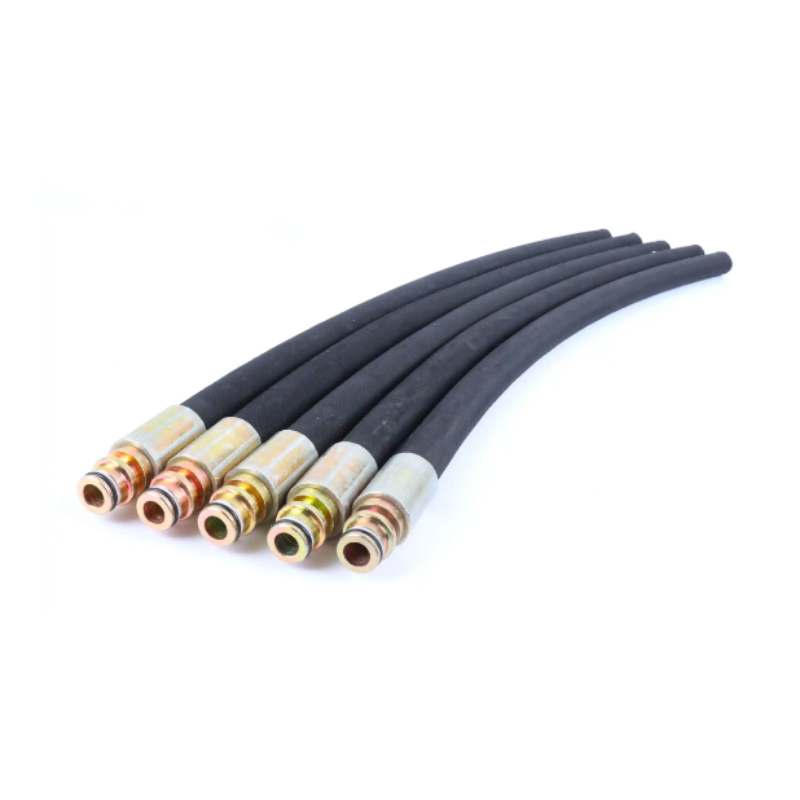
Innovative coupling systems have been developed to ensure secure connections between hoses and machinery, minimizing the risk of leaks and spills. Quick-connect fittings and swivel connectors facilitate easier handling and improved operational efficiency.
4. Applications of Rubber Hoses in Modern Construction
Industrial rubber hoses are employed in various applications across the construction sector, demonstrating their versatility and importance:
4.1. Fluid Transfer
Rubber hoses are widely used for transferring water, oil, and other fluids. Their ability to withstand high pressures makes them ideal for concrete placement, irrigation systems, and even firefighting efforts.
4.2. Pneumatic Systems
In construction, pneumatic tools often rely on rubber hoses for air supply. These hoses can withstand the high pressures required for tools like jackhammers, nail guns, and air compressors, ensuring consistent performance.
4.3. Chemical Handling
Many construction sites require the use of chemicals, whether for cleaning, maintenance, or material mixing. Specialized rubber hoses are designed to handle corrosive substances, ensuring safety and compliance with regulations.
5. Benefits of Using Rubber Hoses
The advantages of using industrial rubber hoses in construction are numerous and significant:
5.1. Durability and Longevity
Rubber hoses are designed to endure harsh conditions, making them a reliable choice for long-term use. Their resistance to abrasion, UV rays, and extreme temperatures contributes to their longevity.
5.2. Flexibility and Versatility
Rubber hoses can be manufactured in various lengths and diameters, providing flexibility in application. Their inherent flexibility allows for easy maneuvering in tight spaces and around obstacles on construction sites.
5.3. Cost-Effectiveness
Investing in high-quality rubber hoses can lead to significant cost savings over time. Their durability reduces the frequency of replacements, and their efficiency in operation can lower overall operational costs.
6. Sustainability and Environmental Impact
As the construction industry increasingly focuses on sustainability, the role of rubber hoses is evolving. Sustainable practices in the production and use of rubber hoses can significantly reduce environmental impact:
6.1. Eco-Friendly Materials
Innovations in eco-friendly rubber materials are paving the way for greener manufacturing processes. Using recycled materials and bio-based rubbers can minimize the carbon footprint associated with hose production.
6.2. Waste Reduction
The durability of modern rubber hoses means fewer replacements are needed, resulting in less waste. Additionally, companies are exploring recycling options for end-of-life hoses, further reducing their environmental impact.
6.3. Energy Efficiency
By improving the efficiency of fluid transfer and reducing energy consumption, advanced rubber hoses contribute to more sustainable construction practices. Enhanced performance translates to lower energy use in machinery and tools that rely on these hoses.
7. Future Trends in Rubber Hose Technology
As we look to the future, several trends are poised to shape the development and application of industrial rubber hoses in construction:
7.1. Increased Automation
The ongoing trend toward automation in construction will push for more advanced hose technologies. Smart hoses equipped with sensors and IoT capabilities will become standard, offering construction firms real-time monitoring capabilities.
7.2. Customization and 3D Printing
The rise of 3D printing technology is making it feasible to produce customized rubber hoses tailored to specific applications. This flexibility will allow for rapid prototyping and on-demand manufacturing.
7.3. Globalization of Supply Chains
As construction projects become more global, the demand for standardized rubber hoses that can be used internationally will rise. This trend will drive innovation in hose design and manufacturing to meet diverse regulatory requirements.
8. Conclusion
The future of industrial rubber hoses in modern construction is vibrant and filled with potential. As we embrace innovations in materials, technology, and sustainability, rubber hoses will continue to play a crucial role in enhancing efficiency and safety on construction sites. By understanding the ongoing trends and advancements in this field, construction professionals can make informed decisions that not only improve their operations but also contribute to a more sustainable future.
9. FAQs
Q1: What are the primary materials used in industrial rubber hoses?
A1: Industrial rubber hoses are typically made from synthetic rubber, neoprene, and other advanced materials designed to provide durability and flexibility.
Q2: How do smart hoses work?
A2: Smart hoses are equipped with sensors that monitor factors such as pressure and temperature, providing real-time data to help prevent failures and ensure safety.
Q3: What are the benefits of using rubber hoses for fluid transfer?
A3: Rubber hoses are durable, flexible, and resistant to environmental factors, making them ideal for fluid transfer in various construction applications.
Q4: Can rubber hoses be recycled?
A4: Yes, many manufacturers are exploring recycling options for rubber hoses, aiming to reduce waste and promote sustainability.
Q5: What future trends should we expect in rubber hose technology?
A5: Future trends include increased automation, customization through 3D printing, and a focus on sustainability in materials and manufacturing processes.
Key words:
PREVIOUS:


Ask For A Quick Quote
Contact Us
Manager Liu
West Market, Jing County, Hengshui City, Hebei Province
Our Products
Always focused on the field of hydraulic rubber and plastic, with outstanding technical strength, high-quality products and services, we have become a leading enterprise in the industry.
PRODUCT SEARCH
Search And Quickly Find The Products You Need
With advantages in technology, quality, and service, the company is steadily advancing in the industry, continuously providing high-quality hydraulic rubber products and services to global customers, demonstrating strong development potential and broad market prospects.