

Exploring Global Market Trends for Stainless Steel Joints in Construction: Insights and Future Prospects
Mar 31,2026
Exploring Global Market Trends for Stainless Steel Joints in Construction Table of Contents 1. Introduction to Stainless Steel Joints in Construction 2. Market Overview: The Role of Stainless Steel Joints 3. Types of Stainless Steel Joints Used in Construction 4. Key Advantages of Using Stainless Steel Joints 5. Global Market Trends for Stainless Steel Joints 6. Regional A
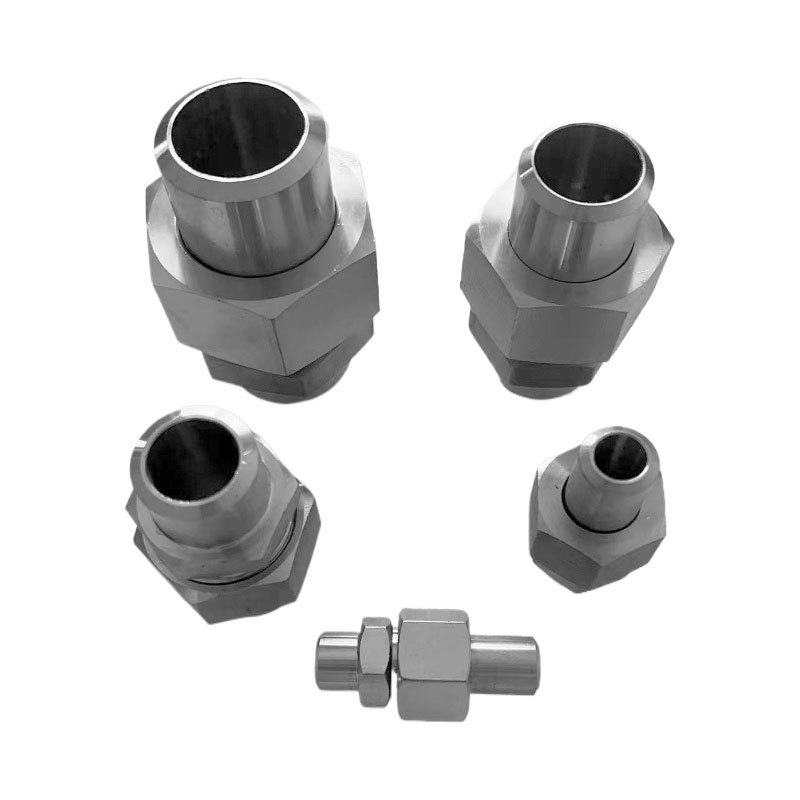
Exploring Global Market Trends for Stainless Steel Joints in Construction
Table of Contents
- 1. Introduction to Stainless Steel Joints in Construction
- 2. Market Overview: The Role of Stainless Steel Joints
- 3. Types of Stainless Steel Joints Used in Construction
- 4. Key Advantages of Using Stainless Steel Joints
- 5. Global Market Trends for Stainless Steel Joints
- 6. Regional Analysis: Key Markets for Stainless Steel Joints
- 7. Future Prospects and Challenges in the Market
- 8. Frequently Asked Questions (FAQs)
- 9. Conclusion: Embracing the Future of Construction
1. Introduction to Stainless Steel Joints in Construction
Stainless steel joints have become a pivotal component of modern construction processes. Known for their durability, strength, and aesthetic appeal, these joints facilitate the seamless integration of various structural elements. As the construction sector continues to evolve, understanding the market trends surrounding stainless steel joints is crucial for industry stakeholders. This article explores the current landscape, emerging trends, and future prospects of stainless steel joints in construction, providing insights that might inform strategic decisions and investment.
2. Market Overview: The Role of Stainless Steel Joints
The global construction market is witnessing significant growth, driven by urbanization, infrastructural development, and increasing investments in residential and commercial projects. Within this context, stainless steel joints serve as essential connectors that enhance structural integrity and longevity. These joints are primarily utilized in various applications, including piping systems, frameworks, and architectural features. The market for these joints has expanded due to their resistance to corrosion, heat, and environmental factors, making them a preferred choice in diverse climatic conditions.
2.1 The Importance of Stainless Steel Joints
Stainless steel joints play a critical role in ensuring the stability of structures. Their application spans across multiple sectors, including residential buildings, commercial complexes, bridges, and industrial facilities. The unique properties of stainless steel—such as its high tensile strength and low maintenance requirements—contribute to its growing popularity among architects and engineers.
3. Types of Stainless Steel Joints Used in Construction
Understanding the different types of stainless steel joints is essential for selecting the right solution for specific construction needs. The following are the most common types:
3.1 Butt Welded Joints
Butt welded joints are formed by welding two pieces of stainless steel at their ends. This type of joint is known for its strength and is commonly used in piping and structural applications.
3.2 Socket Welded Joints
In socket welded joints, one pipe fits into a recessed area of another, allowing for a strong bond. This design is often employed in high-pressure applications, making it a reliable choice for gas and oil pipelines.
3.3 Threaded Joints
Threaded joints involve screwing two pieces of stainless steel together. This type of joint is easy to install and is frequently used in plumbing systems where future disassembly may be necessary.
3.4 Flanged Joints
Flanged joints are created by bolting two flanges together, providing a robust connection that can withstand high pressure. Flanged joints are commonly found in large-scale constructions, such as water treatment facilities and chemical plants.
4. Key Advantages of Using Stainless Steel Joints
Stainless steel joints offer numerous advantages that contribute to their widespread use in construction. Understanding these benefits can help stakeholders make informed decisions about material selection.
4.1 Durability and Longevity
One of the primary benefits of stainless steel joints is their exceptional durability. They resist corrosion and can withstand various environmental conditions, significantly extending their lifespan compared to traditional materials.
4.2 Low Maintenance Requirements
Stainless steel joints require minimal maintenance, which translates to lower long-term costs for construction projects. Their inherent resistance to rust and corrosion means that they do not require frequent inspections or replacements.
4.3 Aesthetic Appeal
These joints also offer an aesthetic advantage, allowing for elegant and modern designs in architectural applications. The sleek appearance of stainless steel can enhance the visual appeal of any structure.
5. Global Market Trends for Stainless Steel Joints
As the demand for stainless steel joints continues to grow, several trends are emerging in the global market. Understanding these trends is essential for manufacturers, distributors, and contractors alike.
5.1 Increased Demand from Emerging Economies
Emerging economies, particularly in Asia and Africa, are experiencing rapid urbanization and infrastructure development. This growth drives the demand for reliable construction materials, including stainless steel joints.
5.2 Shift Towards Sustainable Construction Practices
Sustainability is a major theme in contemporary construction practices. Stainless steel's recyclability and longevity align well with green building initiatives, making it a preferred material in eco-friendly projects.
5.3 Technological Advancements in Manufacturing
Advancements in manufacturing techniques are leading to more efficient production of stainless steel joints. Innovations such as 3D printing, computer-aided design (CAD), and automated welding processes are enhancing the quality and consistency of these joints.
6. Regional Analysis: Key Markets for Stainless Steel Joints
Different regions exhibit varying trends and demands for stainless steel joints based on local construction needs and economic conditions.
6.1 North America
North America is a significant market for stainless steel joints, driven by ongoing investments in infrastructure and residential projects. The region's strict building codes also favor the use of durable materials.
6.2 Europe
Europe is witnessing a trend toward sustainable construction. Countries like Germany and Sweden are leading the charge in adopting stainless steel joints to enhance structural integrity while adhering to environmental regulations.
6.3 Asia-Pacific
The Asia-Pacific region is expected to witness the highest growth rate in the stainless steel joints market. Rapid urbanization, coupled with increased investments in infrastructure, is driving the demand for robust construction materials.
7. Future Prospects and Challenges in the Market
While the future looks promising for stainless steel joints in construction, certain challenges must be addressed to sustain growth.
7.1 Challenges in Raw Material Sourcing
The sourcing of raw materials for stainless steel production can be challenging, particularly with fluctuating prices and supply chain disruptions. This may impact the overall cost of stainless steel joints.
7.2 Competition from Alternative Materials
As construction practices evolve, alternative materials such as composite materials and plastics are gaining traction. The stainless steel joints market must innovate to maintain competitiveness.
8. Frequently Asked Questions (FAQs)
8.1 What are stainless steel joints primarily used for?
Stainless steel joints are primarily used in construction to connect various structural elements, including piping systems, frameworks, and architectural features.
8.2 How long do stainless steel joints last?
Due to their durability and resistance to corrosion, stainless steel joints can last for several decades with minimal maintenance.
8.3 Are stainless steel joints environmentally friendly?
Yes, stainless steel is recyclable and has a long lifespan, making it a sustainable choice in construction.
8.4 What are the main benefits of using stainless steel joints over other materials?
The main benefits include durability, low maintenance requirements, aesthetic appeal, and resistance to environmental factors.
8.5 How is the global market for stainless steel joints expected to grow?
The market for stainless steel joints is expected to grow significantly, especially in emerging economies and regions focusing on sustainable construction practices.
9. Conclusion: Embracing the Future of Construction
The global market for stainless steel joints in construction is on an upward trajectory, fueled by urbanization, technological advancements, and a shift towards sustainability. As industry trends evolve, stakeholders must adapt to changing demands and challenges. By embracing the unique advantages of stainless steel joints, construction professionals can enhance the durability and aesthetic appeal of their projects while contributing to a more sustainable future. Understanding these trends is not just beneficial; it’s essential for anyone looking to thrive in the ever-evolving construction landscape.
Key words:
PREVIOUS:



Ask For A Quick Quote
Contact Us
Manager Liu
West Market, Jing County, Hengshui City, Hebei Province
Our Products
Always focused on the field of hydraulic rubber and plastic, with outstanding technical strength, high-quality products and services, we have become a leading enterprise in the industry.
PRODUCT SEARCH
Search And Quickly Find The Products You Need
With advantages in technology, quality, and service, the company is steadily advancing in the industry, continuously providing high-quality hydraulic rubber products and services to global customers, demonstrating strong development potential and broad market prospects.