

Understanding Rubber Hoses for Hydraulic Systems: Essential Insights for Construction and Design
Jul 14,2026
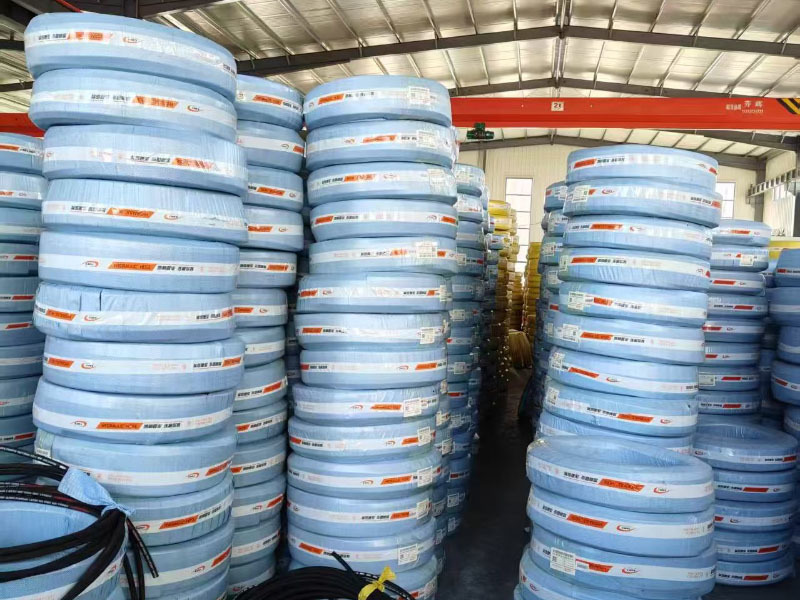
Rubber hoses for hydraulic systems are vital components in various applications within the construction industry. These hoses are designed to transport hydraulic fluids under pressure, enabling machinery and equipment to operate efficiently. Their flexibility allows for easier maneuverability in confined spaces, making them ideal for construction sites where space can be limited. One of the primar

One of the primary benefits of using rubber hoses is their exceptional resistance to wear and tear, which is essential in environments where hoses may be subjected to harsh conditions. Rubber material can withstand extreme temperatures, making it suitable for both hot and cold hydraulic fluids. This durability ensures that the hoses can maintain their integrity over extended periods, reducing the need for frequent replacements.
Moreover, rubber hoses are designed to handle high pressure, which is critical in hydraulic applications. They are constructed with multiple layers of synthetic reinforcement, which enhances their strength and prevents bursting, a crucial safety feature in any hydraulic system. Depending on the specific needs of the project, there are various types of rubber hoses available, each tailored for different pressures and fluid types.
In addition to their physical properties, rubber hoses are also lightweight, which facilitates easier handling during installation and maintenance. This characteristic not only saves time but also minimizes the risk of injury since workers can manage these hoses with greater ease compared to heavier alternatives.
It's also worth noting that rubber hoses can be found in diverse diameter sizes and lengths, allowing for customization based on specific project requirements. Whether integrating them into a hydraulic lift system or using them in concrete pouring applications, these hoses can be adapted to fit various configurations and needs.
When selecting rubber hoses for hydraulic systems, it is essential to consider the compatibility of the hose material with the fluids being used. Different hydraulic fluids can react differently with rubber, potentially leading to degradation over time. Therefore, understanding the chemical composition of the hydraulic fluid is crucial in ensuring the longevity of the hose.
To sum up, rubber hoses for hydraulic systems serve as indispensable tools in the construction and decorative materials sector. Their flexibility, durability, and resistance to pressure make them a preferred choice for a wide range of applications. By understanding the characteristics and advantages of these hoses, professionals in the industry can make informed decisions that enhance operational efficiency and safety on job sites.
Key words:
PREVIOUS:



Ask For A Quick Quote
Contact Us
Manager Liu
West Market, Jing County, Hengshui City, Hebei Province
Our Products
Always focused on the field of hydraulic rubber and plastic, with outstanding technical strength, high-quality products and services, we have become a leading enterprise in the industry.
PRODUCT SEARCH
Search And Quickly Find The Products You Need
With advantages in technology, quality, and service, the company is steadily advancing in the industry, continuously providing high-quality hydraulic rubber products and services to global customers, demonstrating strong development potential and broad market prospects.