
Industrial Rubber Hoses: A Must-Have for Any Construction Site
May 18,2026
Industrial Rubber Hoses: A Must-Have for Any Construction Site In the bustling world of construction, efficiency and reliability are paramount. One of the most crucial elements that contribute to these attributes is the use of **industrial rubber hoses**. Whether it's for transferring materials, facilitating machinery, or ensuring safety protocols, these hoses play an essential role in the functio
Industrial Rubber Hoses: A Must-Have for Any Construction Site
In the bustling world of construction, efficiency and reliability are paramount. One of the most crucial elements that contribute to these attributes is the use of **industrial rubber hoses**. Whether it's for transferring materials, facilitating machinery, or ensuring safety protocols, these hoses play an essential role in the functionality of construction sites. In this article, we will explore the various applications, benefits, and maintenance of industrial rubber hoses, ensuring you gain comprehensive knowledge on why they are a must-have for any construction operation.
Table of Contents
- Understanding Industrial Rubber Hoses
- Key Applications of Industrial Rubber Hoses in Construction
- Benefits of Using Industrial Rubber Hoses
- Types of Industrial Rubber Hoses
- Materials Used in Manufacturing Industrial Rubber Hoses
- Safety Considerations When Using Industrial Rubber Hoses
- Maintenance Tips for Industrial Rubber Hoses
- Frequently Asked Questions
- Conclusion
Understanding Industrial Rubber Hoses
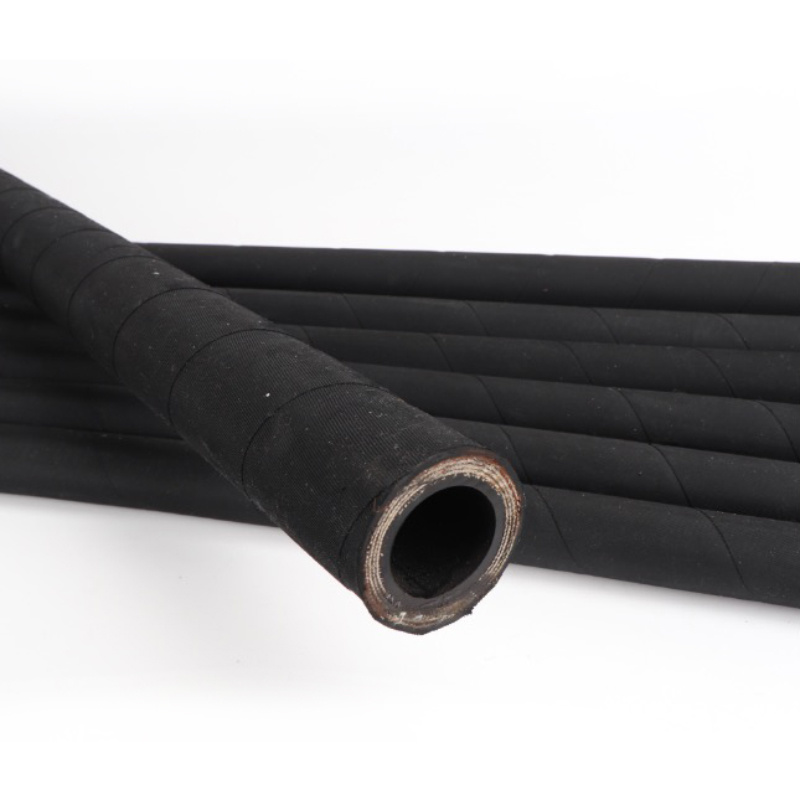
Industrial rubber hoses are flexible tubes designed to transport various materials, including gases, liquids, and slurry. Made from durable rubber compounds, these hoses are engineered to withstand extreme conditions and pressures, making them ideal for construction sites where reliability and performance are non-negotiable. They are not only essential for operational efficiency but also contribute significantly to worker safety and equipment longevity.
Key Applications of Industrial Rubber Hoses in Construction
1. Material Transfer
One of the primary uses of industrial rubber hoses is the transfer of materials. This includes transporting water, cement slurry, chemicals, and other construction materials. Their flexibility allows them to navigate around obstacles and reach hard-to-access areas, ensuring a smooth flow of materials.
2. Hydraulic Systems
Industrial rubber hoses are critical components of hydraulic systems. They transport hydraulic fluids that power construction machinery, such as excavators, cranes, and loaders. Ensuring these hoses are in top condition is vital for the overall performance of hydraulic equipment.
3. Dust Suppression
Construction sites can generate significant dust, leading to health hazards for workers. Industrial rubber hoses are employed to spray water or dust suppression agents to mitigate airborne particles, promoting a safer working environment.
4. Fuel and Oil Transfer
Many construction sites require the use of diesel or gasoline-powered equipment. Industrial rubber hoses are used to transfer fuel and oil, ensuring that machinery remains operational without unnecessary delays.
Benefits of Using Industrial Rubber Hoses
1. Durability and Longevity
Industrial rubber hoses are designed to endure harsh conditions, including extreme temperatures, abrasion, and chemical exposure. This durability results in a longer lifespan, making them a cost-effective choice for construction projects.
2. Versatility
These hoses are incredibly versatile, suitable for various applications across different industries. Their flexibility allows for easy handling and installation, adapting to the specific needs of each construction site.
3. Enhanced Safety
Using high-quality industrial rubber hoses can enhance safety on construction sites. They are designed to resist kinking and bursting, reducing the risk of leaks and accidents that could jeopardize worker safety.
4. Cost-Effectiveness
Investing in durable industrial rubber hoses can lead to significant savings in maintenance and replacement costs. By minimizing downtime and improving efficiency, these hoses contribute to the overall productivity of construction projects.
Types of Industrial Rubber Hoses
1. Water Hoses
Water hoses are designed for transferring water, often used for dust control and material mixing. They are lightweight and highly flexible, making them easy to maneuver on-site.
2. Chemical Hoses
These hoses are specifically engineered to handle various chemicals safely. They are made from materials that resist corrosion and degradation, ensuring reliability when transferring hazardous substances.
3. Fuel Hoses
Fuel hoses are designed to transport gasoline, diesel, and oils. They are manufactured to withstand the corrosive effects of fuels and provide safe transfer without leakage.
4. Hydraulic Hoses
Hydraulic hoses are essential for machinery operation, transporting hydraulic fluid under high pressure. They are built to exceed specific pressure ratings and offer exceptional resistance to wear.
Materials Used in Manufacturing Industrial Rubber Hoses
The materials used in industrial rubber hoses can significantly affect their performance and lifespan. Common materials include:
1. Natural Rubber
Natural rubber provides excellent flexibility and elasticity, making it suitable for a wide range of applications. However, it may not be ideal for exposure to certain chemicals.
2. Synthetic Rubber
Synthetic rubber, such as EPDM, NBR, and neoprene, is engineered to resist specific environmental factors, including oils, chemicals, and extreme temperatures, making them preferred choices for industrial applications.
Safety Considerations When Using Industrial Rubber Hoses
Safety should always be a priority when working with industrial rubber hoses. Here are some key considerations:
1. Regular Inspections
Conduct regular inspections to check for wear, cracks, or leaks. Early detection can prevent accidents and improve the lifespan of the hoses.
2. Proper Storage
Store hoses away from direct sunlight and extreme temperatures to prevent degradation. Coiling hoses properly can also prevent kinks and damage.
3. Correct Usage
Ensure hoses are used within their specified pressure ratings and applications. Overloading hoses can lead to failures and pose safety risks.
Maintenance Tips for Industrial Rubber Hoses
Maintaining industrial rubber hoses is essential for their longevity and reliability. Here are some practical tips:
1. Cleaning
Regularly clean hoses to remove dirt and debris that can cause wear. Use mild detergents and avoid harsh chemicals that could damage the rubber.
2. Storage
Store hoses in a cool, dry place, coiled properly to avoid kinks. Avoid storing them in areas with extreme temperatures or direct sunlight.
3. Replacement
Replace any hose that shows signs of significant wear or damage. Regularly scheduled replacements can prevent unexpected failures during critical operations.
Frequently Asked Questions
1. What are industrial rubber hoses used for?
Industrial rubber hoses are used for transferring liquids, gases, and slurry in various applications, including construction, hydraulic systems, and material handling.
2. How do I choose the right industrial rubber hose?
Consider the specific application, the materials being transported, and the pressure ratings needed. Ensure the hose material is compatible with the substances it will handle.
3. Can industrial rubber hoses be repaired?
In some cases, minor damages can be repaired with patches or fittings. However, significant wear or damage often requires replacement to ensure safety.
4. How often should I inspect my industrial rubber hoses?
Regular inspections should be conducted at least once a month or more frequently depending on usage and environmental conditions.
5. What is the lifespan of an industrial rubber hose?
The lifespan of an industrial rubber hose can vary depending on usage, maintenance, and environmental factors but typically ranges from 5 to 10 years.
Conclusion
In conclusion, **industrial rubber hoses** are indispensable components of any construction site. Their versatility, durability, and safety features make them essential for various applications, from material transfer to hydraulic systems. By understanding their benefits, types, and maintenance needs, construction professionals can ensure they are using the right hoses for their projects. Proper care and regular inspections can further enhance the longevity and reliability of these critical tools, ultimately contributing to the success and safety of construction operations. Investing in high-quality industrial rubber hoses is not just a choice; it is a necessity for any serious construction endeavor.
Key words:


Ask For A Quick Quote
Contact Us
Manager Liu
West Market, Jing County, Hengshui City, Hebei Province
Our Products
Always focused on the field of hydraulic rubber and plastic, with outstanding technical strength, high-quality products and services, we have become a leading enterprise in the industry.
PRODUCT SEARCH
Search And Quickly Find The Products You Need
With advantages in technology, quality, and service, the company is steadily advancing in the industry, continuously providing high-quality hydraulic rubber products and services to global customers, demonstrating strong development potential and broad market prospects.