

Essential Features to Look for in High Pressure Rubber Hoses
May 14,2026
Essential Features to Look for in High Pressure Rubber Hoses High pressure rubber hoses are integral components in various industrial applications, ranging from construction to manufacturing and automotive industries. Given their crucial role in transporting fluids and gases under high pressure, choosing the right rubber hoses can significantly impact system performance and safety. In this article
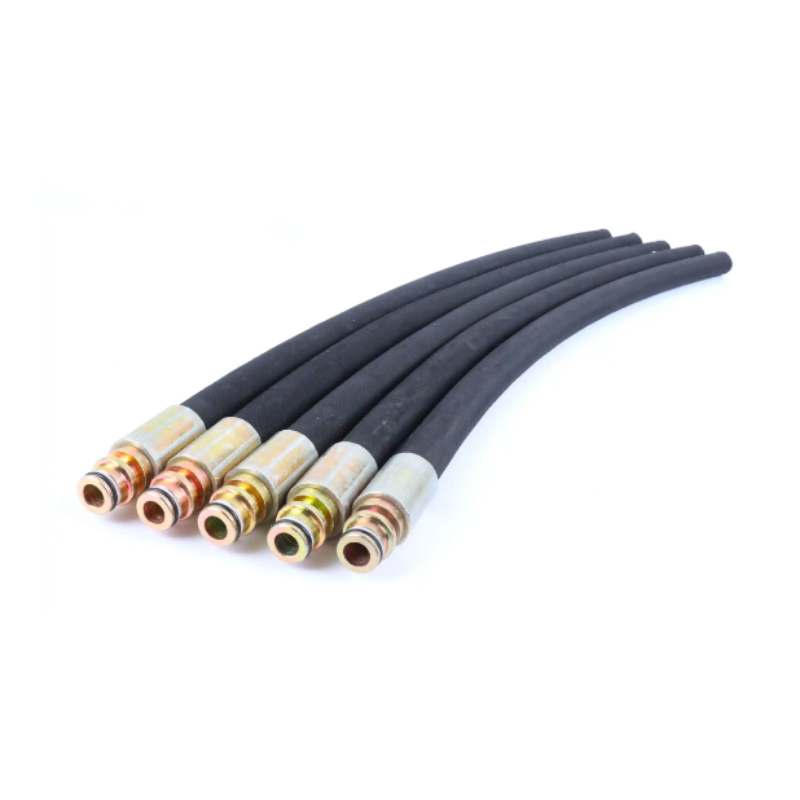
Essential Features to Look for in High Pressure Rubber Hoses
High pressure rubber hoses are integral components in various industrial applications, ranging from construction to manufacturing and automotive industries. Given their crucial role in transporting fluids and gases under high pressure, choosing the right rubber hoses can significantly impact system performance and safety. In this article, we will explore the essential features of high pressure rubber hoses, guiding you in selecting the best options for your needs.
Table of Contents
- Understanding High Pressure Rubber Hoses
- Key Materials Used in Manufacturing High Pressure Rubber Hoses
- Design Characteristics to Consider
- Performance Criteria for High Pressure Hoses
- Common Applications of High Pressure Hoses
- Maintenance Tips for High Pressure Rubber Hoses
- Safety Considerations When Using High Pressure Hoses
- Frequently Asked Questions
Understanding High Pressure Rubber Hoses
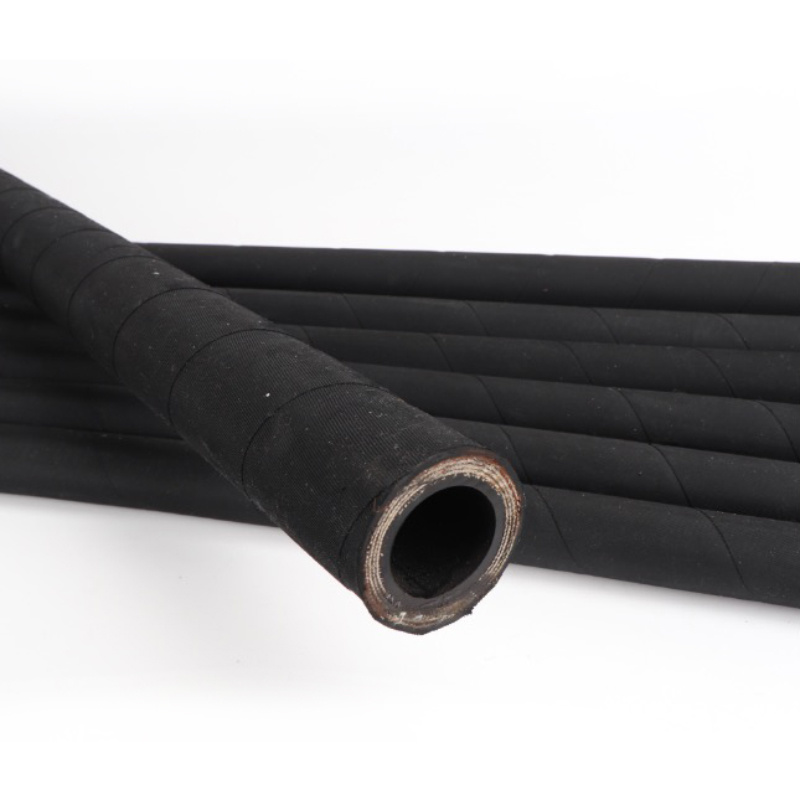
High pressure rubber hoses are designed to handle the demands of high-pressure applications, ensuring the safe transport of liquids and gases. These hoses are commonly used in hydraulic systems, pneumatic tools, and other machinery requiring robust pressure handling capabilities. The construction of these hoses typically involves multiple layers, including reinforcement materials that provide additional strength and flexibility. Understanding the anatomy of these hoses is essential for making informed purchasing decisions.
Key Materials Used in Manufacturing High Pressure Rubber Hoses
The choice of materials in high pressure rubber hoses significantly influences their performance and durability. The following materials are commonly used:
1. Natural Rubber
Natural rubber offers excellent flexibility and elasticity, making it a popular choice for high-pressure applications. However, it may not be suitable for all environments, especially those exposed to oils and chemicals.
2. Synthetic Rubber
Synthetic rubbers, such as nitrile and neoprene, provide enhanced resistance to chemicals, heat, and aging. Nitrile rubber is particularly effective for applications involving petroleum-based fluids.
3. Reinforcement Materials
Reinforcement materials, such as steel wire or textile fibers, are often embedded within the rubber layers to enhance strength. This reinforcement allows the hose to withstand high internal pressures without bursting.
4. Cover Materials
The outer cover of a high pressure rubber hose offers protection against environmental factors. Common materials for covers include oil-resistant rubber compounds that can withstand abrasion, ozone, and UV exposure.
Design Characteristics to Consider
When selecting high pressure rubber hoses, several design characteristics should be taken into account:
1. Diameter and Length
The diameter of the hose affects the flow rate and pressure drop in the system. Ensure that the hose diameter is suitable for the application while considering the overall length, as longer hoses can lead to increased pressure loss.
2. Bend Radius
The bend radius is critical in preventing kinks and maintaining fluid flow. A hose with an appropriate bend radius can improve flexibility and ease of use in tight spaces.
3. Temperature Range
Different applications subject hoses to varying temperature conditions. Selecting a hose capable of withstanding the maximum and minimum temperatures of your application is crucial for operational safety.
4. Pressure Ratings
Ensure the hose you choose has a pressure rating exceeding your application's maximum operating pressure. Safety margins should always be considered to account for unexpected spikes in pressure.
Performance Criteria for High Pressure Hoses
Understanding the performance criteria of high pressure rubber hoses is essential for optimal application. Key factors to evaluate include:
1. Flexibility and Maneuverability
A flexible hose is easier to work with and can navigate around obstacles. Evaluate the hose's ability to bend without kinking or restricting flow.
2. Burst Pressure
The burst pressure rating is a critical measure of a hose’s strength. This rating indicates the maximum pressure the hose can withstand before failing. Always opt for hoses with a higher burst pressure than your operational requirements.
3. Abrasion Resistance
Hoses subjected to rough environments must have a high level of abrasion resistance. Look for hoses with reinforced covers or built-in protective features to maintain integrity over time.
4. Chemical Compatibility
Assess the chemical compatibility of the hose material with the fluids it will transport. Mismatched materials can lead to degradation and potential failures.
Common Applications of High Pressure Hoses
High pressure rubber hoses serve various industries and applications, including:
1. Hydraulic Systems
Hydraulic systems heavily rely on high pressure hoses to transport hydraulic fluids. These hoses facilitate the transfer of energy required for machinery operation.
2. Construction Equipment
In construction, high pressure hoses are essential for equipment such as excavators, cranes, and concrete pumps, providing fluid power to operate hydraulic components.
3. Automotive Industry
In automotive applications, high pressure hoses are used in fuel delivery systems, brake systems, and cooling systems, ensuring efficient performance under pressure.
4. Industrial Cleaning
High pressure hoses are also utilized in power washing and industrial cleaning applications, effectively removing dirt and contaminants from surfaces.
Maintenance Tips for High Pressure Rubber Hoses
Proper maintenance extends the lifespan of high pressure rubber hoses and ensures safe operation. Here are some essential maintenance tips:
1. Regular Inspections
Conduct routine inspections for signs of wear, such as cracks, bulges, or abrasions. Any indications of damage should prompt immediate replacement.
2. Cleaning
Keep hoses clean and free from debris. Use appropriate cleaning methods that do not damage the hose material.
3. Storage
Store hoses in a cool, dry environment, away from direct sunlight and extreme temperatures. Proper storage prevents premature aging and damage.
4. Avoid Overstretching
When using hoses, avoid overstretching or twisting them, as this can lead to kinks or material fatigue.
Safety Considerations When Using High Pressure Hoses
Safety is paramount when working with high pressure rubber hoses. Here are some crucial safety considerations:
1. Personal Protective Equipment (PPE)
Always wear appropriate PPE, such as gloves and goggles, when handling high pressure hoses to protect against potential hazards.
2. Pressure Testing
Perform pressure tests on hoses before use to ensure they can withstand the required operational pressures.
3. Proper Connections
Ensure all connections are secure and leak-free. Loose connections can lead to dangerous pressure releases.
4. Training
Provide proper training for personnel who handle high pressure hoses, ensuring they understand safe usage and maintenance practices.
Frequently Asked Questions
1. What is the difference between high pressure rubber hoses and standard hoses?
High pressure rubber hoses are specifically designed to handle greater pressures and are constructed with reinforced materials, making them suitable for demanding applications.
2. How do I choose the right diameter for my high pressure hose?
Select a diameter that meets your flow rate requirements while considering the overall pressure drop in your system.
3. Can high pressure hoses be repaired if damaged?
In some cases, minor damages may be repaired, but it is generally recommended to replace hoses with significant wear or damage to ensure safety.
4. What maintenance practices should I follow for my high pressure hoses?
Regular inspections, cleaning, secure storage, and avoiding overstretching are critical for maintaining the integrity and safety of high pressure hoses.
5. How often should I replace my high pressure rubber hoses?
Hoses should be replaced based on the manufacturer's recommendations and inspection findings. Regular checks help identify when a replacement is necessary.
Conclusion
In conclusion, understanding the essential features of high pressure rubber hoses is vital for ensuring safety and efficiency in various applications. By considering factors such as materials, design characteristics, and performance criteria, you can make informed decisions that enhance the performance of your systems. Regular maintenance and proper handling are key to prolonging the lifespan of these hoses, ultimately contributing to a safer and more productive working environment. Investing in high-quality high pressure rubber hoses will not only meet your operational needs but also provide peace of mind in their reliability and longevity.
Key words:




Ask For A Quick Quote
Contact Us
Manager Liu
West Market, Jing County, Hengshui City, Hebei Province
Our Products
Always focused on the field of hydraulic rubber and plastic, with outstanding technical strength, high-quality products and services, we have become a leading enterprise in the industry.
PRODUCT SEARCH
Search And Quickly Find The Products You Need
With advantages in technology, quality, and service, the company is steadily advancing in the industry, continuously providing high-quality hydraulic rubber products and services to global customers, demonstrating strong development potential and broad market prospects.