

How to Choose the Right Hydraulic Rubber Hose for Your Project: A Comprehensive Guide
May 06,2026
How to Choose the Right Hydraulic Rubber Hose for Your Project Table of Contents Understanding Hydraulic Rubber Hoses Importance of Selecting the Right Hydraulic Hose Key Specifications to Consider Hose Materials Hose Dimensions and Sizes Temperature and Pressure Ratings Hose Assembly and Fittings Types of Hydr
How to Choose the Right Hydraulic Rubber Hose for Your Project
Table of Contents
- Understanding Hydraulic Rubber Hoses
- Importance of Selecting the Right Hydraulic Hose
- Key Specifications to Consider
- Hose Materials
- Hose Dimensions and Sizes
- Temperature and Pressure Ratings
- Hose Assembly and Fittings
- Types of Hydraulic Hoses
- Applications of Hydraulic Rubber Hoses
- Maintenance Tips for Hydraulic Hoses
- Common Mistakes to Avoid
- Frequently Asked Questions
Understanding Hydraulic Rubber Hoses
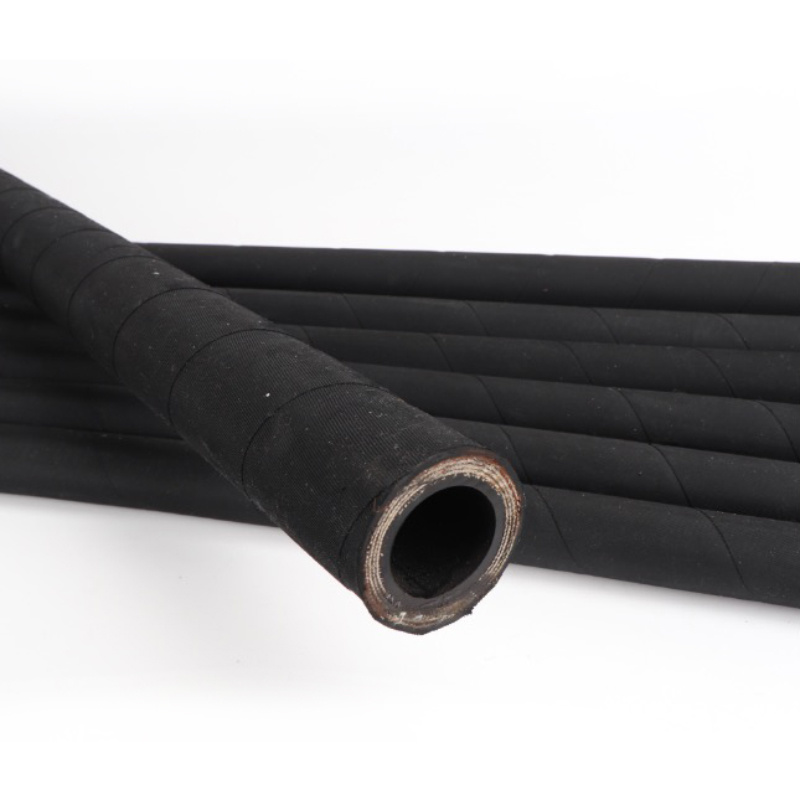
Hydraulic rubber hoses are essential components in various industrial applications, delivering fluids under high pressure while ensuring flexibility and durability. These hoses are designed to withstand demanding environments, making them a critical part of hydraulic systems.
The construction of hydraulic hoses typically includes layers of rubber, reinforcement, and cover materials that provide resilience against wear, abrasion, and environmental factors. Selecting the right hose involves understanding its design and functionality to meet the specific requirements of your project.
Importance of Selecting the Right Hydraulic Hose
Choosing the right hydraulic rubber hose is crucial for several reasons:
1. **Efficiency**: A hose that meets specifications for your system ensures optimal fluid transfer without leaks or blockages.
2. **Safety**: Selecting the proper hose protects against hydraulic failures, which can lead to accidents or injuries.
3. **Cost-Effectiveness**: Using the right materials and dimensions minimizes replacement costs and reduces downtime in operations.
4. **Performance**: Properly matched hoses enhance system performance, ensuring that machinery operates smoothly and efficiently.
Key Specifications to Consider
Hose Materials
The material of the hydraulic hose plays a significant role in its performance. Typical materials include:
- **Nitrile Rubber**: Ideal for oil-based fluids, it offers excellent abrasion resistance.
- **EPDM Rubber**: Best for water and steam applications, it has outstanding weather resistance.
- **Neoprene**: Known for its flexibility and good oil resistance, it’s suitable for diverse applications.
Each material has its advantages based on the environments and fluids involved, so it’s essential to assess your specific requirements.
Hose Dimensions and Sizes
Selecting the correct dimensions is vital for effective hydraulic system performance. Consider the following:
- **Inner Diameter (ID)**: This affects flow rate. A larger ID allows for greater fluid transfer but may require a larger fitting.
- **Outer Diameter (OD)**: This is essential for compatibility with existing fittings and connections.
- **Length**: Longer hoses may introduce pressure drops or losses, while shorter hoses can limit flexibility.
It’s essential to balance these dimensions to achieve optimal performance.
Temperature and Pressure Ratings
Every hydraulic hose has a specified working temperature and pressure range:
- **Temperature**: Check the minimum and maximum service temperatures to ensure the hose will perform reliably in your specific environment.
- **Pressure**: Understand the Maximum Working Pressure (MWP) to prevent hose rupture. Always choose a hose with a higher pressure rating than your system’s peak pressure.
Operating outside these ratings can compromise both safety and longevity.
Hose Assembly and Fittings
Proper assembly is crucial for hydraulic hoses. Ensure that you use compatible fittings and that they are securely attached. Consider the following:
- **Fitting Types**: These can include crimped, threaded, or reusable fittings. Choose based on your assembly method and system needs.
- **Assembly Techniques**: Improper assembly can lead to leaks and system failure. Follow manufacturer guidelines for the best results.
Ensuring correct assembly can prevent costly downtime and repairs.
Types of Hydraulic Hoses
There are several types of hydraulic hoses designed for various applications:
- **Low-Pressure Hoses**: Suitable for applications needing lower pressure and flexible movement.
- **Medium and High-Pressure Hoses**: Designed for more demanding hydraulic applications, providing better durability.
- **Specialty Hoses**: These include hoses for specific fluids, environments, or operational requirements, such as fire-resistant or abrasion-resistant hoses.
Choosing the right type ensures compatibility with your hydraulic system.
Applications of Hydraulic Rubber Hoses
Hydraulic rubber hoses are utilized across various industries, including:
- **Construction**: Used in excavators, bulldozers, and other heavy machinery.
- **Manufacturing**: Integral to automated systems and machinery.
- **Agriculture**: Essential for farming equipment such as tractors and harvesters.
- **Marine**: Used in vessels for fluid transfer and control systems.
Understanding these applications can help you make informed choices when selecting hoses for your projects.
Maintenance Tips for Hydraulic Hoses
Proper maintenance extends the life of hydraulic hoses. Follow these tips:
1. **Regular Inspections**: Check hoses for wear, cracks, or leaks at regular intervals.
2. **Avoid Kinks and Bends**: Prevent kinking or sharp bends, as these can weaken the hose.
3. **Clean Residually**: Ensure the hose is clean and free from contaminants that can degrade materials.
4. **Store Properly**: Store hoses in a cool, dry place away from direct sunlight and excessive temperatures.
5. **Replace when Necessary**: Don’t hesitate to replace hoses showing signs of damage or wear to ensure system safety and efficiency.
Common Mistakes to Avoid
When selecting and using hydraulic rubber hoses, avoid these frequent pitfalls:
- **Choosing the Wrong Material**: Selecting a hose material not suited to the specific fluid can result in hose failure.
- **Ignoring Pressure Ratings**: Always respect the MWP to prevent accidents and ensure long-term performance.
- **Neglecting Maintenance**: Failing to maintain hoses can lead to unexpected breakdowns and increased costs.
- **Not Consulting Experts**: Failing to seek advice from professionals can lead to ill-informed choices.
Avoiding these mistakes can lead to a more efficient and safer hydraulic system.
Frequently Asked Questions
1. What type of hydraulic hose material is best for oil?
Nitrile rubber is typically the best choice for oil applications due to its excellent oil resistance.
2. How do I determine the right size hydraulic hose?
Measure the inner diameter needed for your flow requirements and ensure the outer diameter fits your system’s fittings.
3. What is the lifespan of a hydraulic rubber hose?
With proper maintenance, hydraulic rubber hoses can last anywhere from 5 to 10 years, depending on usage and environmental conditions.
4. Can hydraulic hoses be repaired?
Yes, minor damage can sometimes be repaired, but replacing the hose is often recommended for safety.
5. How often should I inspect my hydraulic hoses?
Regular inspections are recommended at least once a month; more frequently if the hoses are in a high-use environment.
Conclusion
Choosing the right hydraulic rubber hose for your project involves a comprehensive understanding of materials, specifications, and applications. By considering factors such as hose dimensions, pressure ratings, and maintenance, you can make informed decisions that ensure the safety and efficiency of your hydraulic systems. Avoiding common mistakes and consulting experts can further enhance your selection process. With the right knowledge and attention to detail, you can select a hydraulic hose that meets your project’s demands effectively.
Key words:




Ask For A Quick Quote
Contact Us
Manager Liu
West Market, Jing County, Hengshui City, Hebei Province
Our Products
Always focused on the field of hydraulic rubber and plastic, with outstanding technical strength, high-quality products and services, we have become a leading enterprise in the industry.
PRODUCT SEARCH
Search And Quickly Find The Products You Need
With advantages in technology, quality, and service, the company is steadily advancing in the industry, continuously providing high-quality hydraulic rubber products and services to global customers, demonstrating strong development potential and broad market prospects.