Common Mistakes to Avoid When Using Industrial Rubber Hoses
Mar 28,2026
Common Mistakes to Avoid When Using Industrial Rubber Hoses Industrial rubber hoses are vital components in various industries, facilitating the transport of fluids and gases. However, improper usage can lead to significant operational inefficiencies, safety hazards, and increased costs. In this article, we will delve into the common mistakes to avoid when using industrial rubber hoses. By underst
Common Mistakes to Avoid When Using Industrial Rubber Hoses
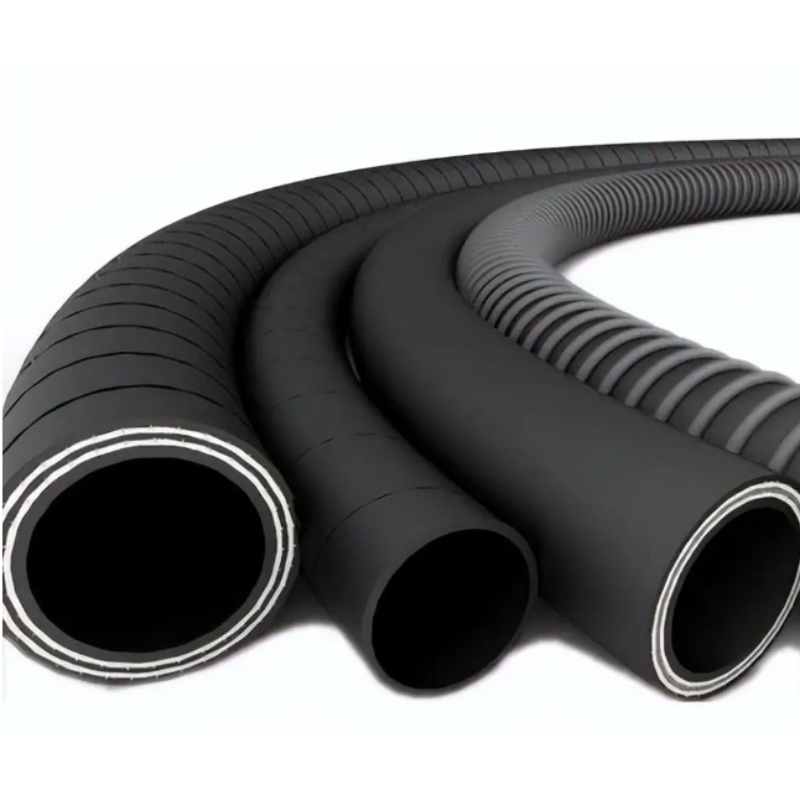
Industrial rubber hoses are vital components in various industries, facilitating the transport of fluids and gases. However, improper usage can lead to significant operational inefficiencies, safety hazards, and increased costs. In this article, we will delve into the common mistakes to avoid when using industrial rubber hoses. By understanding these pitfalls, you can enhance performance, safety, and the lifespan of your hoses.
Table of Contents
- Mistake 1: Neglecting Proper Hose Selection
- Mistake 2: Ignoring Temperature and Pressure Ratings
- Mistake 3: Overlooking Regular Maintenance
- Mistake 4: Incorrect Installation Methods
- Mistake 5: Failing to Inspect for Damage
- Mistake 6: Using Hoses Beyond Their Service Life
- Mistake 7: Improper Storage and Handling
- FAQs
Mistake 1: Neglecting Proper Hose Selection
Selecting the right industrial rubber hose is crucial for ensuring efficiency and safety. **One of the most common mistakes** made by users is choosing a hose that is not suited to the specific application. Factors such as the type of fluid being transported, the temperature and pressure conditions, and the environment in which the hose will operate all play significant roles in hose selection.
Different materials are used to manufacture rubber hoses, including butyl, nitrile, and silicone. Each material has its own strengths and weaknesses. For example, **nitrile rubber hoses** are excellent for oil and fuel transfer, while **silicone hoses** are better suited for high-temperature applications. By investing the time to select the appropriate hose, you can avoid performance failures and enhance safety.
Mistake 2: Ignoring Temperature and Pressure Ratings
Every industrial rubber hose comes with specific temperature and pressure ratings. **Ignoring these specifications** can result in catastrophic failures. When a hose operates above its rated pressure, it may burst, causing injury or damage. Similarly, exposure to temperatures beyond the hose's limit can lead to material degradation and eventual failure.
Before using a hose, always verify its ratings and ensure that it matches the conditions of the intended application. It’s essential to consider fluctuating conditions that may exceed the hose’s initial ratings. Taking these precautions will significantly enhance safety and operational efficiency.
Mistake 3: Overlooking Regular Maintenance
All industrial rubber hoses require regular maintenance to function effectively over time. **A common mistake** is underestimating the importance of routine checks and maintenance schedules. This includes inspecting hoses for abrasions, kinks, and other signs of wear and tear.
Developing a maintenance routine can help identify potential issues before they escalate. Regularly clean hoses to remove any buildup of contaminants and ensure proper flow. Additionally, consider scheduling professional inspections periodically to catch issues that may not be visible during a casual check.
Mistake 4: Incorrect Installation Methods
Improper installation is a frequent oversight that can lead to premature hose failure. **Taking shortcuts during installation** can not only affect the performance of the hose but also pose safety risks. Always follow manufacturer guidelines for installation, which typically include recommendations for proper fittings, connectors, and supports.
Utilizing the wrong fittings can cause leaks or weak points in the hose assembly, leading to system failures. Ensuring that all connections are secure and that hoses are properly routed can help prevent these issues.
Mistake 5: Failing to Inspect for Damage
Another mistake often made by users is neglecting to inspect hoses for signs of damage or wear. **Regular inspection** is essential for maintaining the integrity of industrial rubber hoses. Look for cracks, abrasions, or other signs of physical damage that may indicate it’s time for replacement.
Establish a visual inspection routine that includes checking for leaks and ensuring that fittings are tight. If you notice any unusual bulges or discoloration, it's crucial to replace the hose immediately to avoid potential hazards.
Mistake 6: Using Hoses Beyond Their Service Life
Every rubber hose has a finite service life, yet many users continue to operate hoses that are well past their expiration. **Using old or degraded hoses** can lead to system failures and safety hazards. Factors such as environmental conditions, frequency of use, and type of fluids transported can all affect the lifespan of a hose.
Be aware of the recommended service life for your hoses and replace them as necessary. Documenting the age of your hoses and scheduling replacements proactively can help avoid operational downtime and ensure safety.
Mistake 7: Improper Storage and Handling
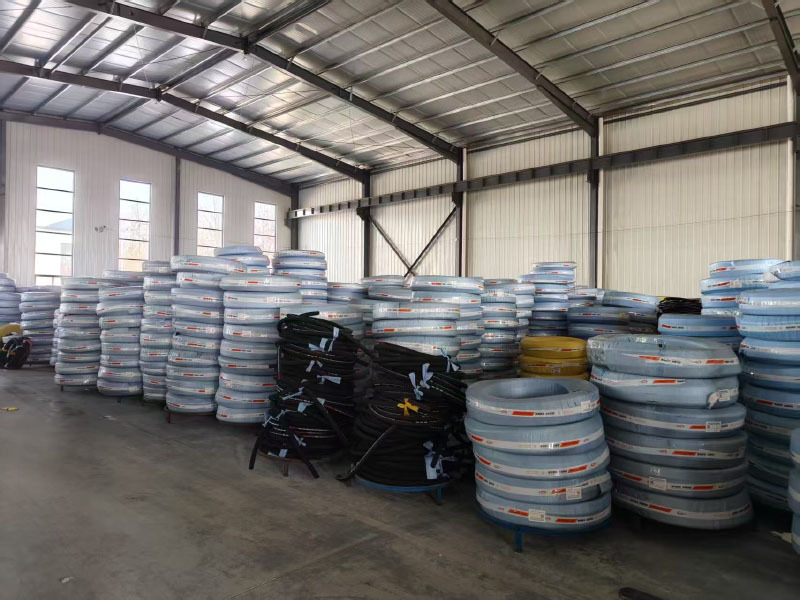
The way hoses are stored and handled can significantly impact their durability and function. **Improper storage** can lead to kinks, twists, or other forms of damage. Hoses should be stored in a cool, dry place, away from direct sunlight and extreme temperatures.
When handling hoses, avoid dragging them across rough surfaces or allowing them to become pinched or kinked. These actions can compromise the integrity of the material, leading to issues when the hose is put back into service.
FAQs
1. What should I consider when selecting an industrial rubber hose?
When selecting a hose, consider the type of fluid, temperature and pressure ratings, and the environment where it will be used. Each application may require a different hose material.
2. How often should I inspect my industrial hoses?
Regular inspections should be performed on a schedule based on usage. Routine checks are recommended at least monthly, with more frequent inspections for hoses in critical applications.
3. What types of damage should I look for during inspections?
Inspect for cracks, abrasions, bulges, discoloration, and leaks. Any signs of wear may indicate that the hose needs to be replaced.
4. How can I extend the life of my industrial rubber hoses?
To extend the life of your hoses, select the right type for your application, perform regular maintenance, store them correctly, and replace them as needed.
5. What are the signs that a hose needs to be replaced?
Signs include physical damage, loss of flexibility, excessive wear, and age beyond the recommended service life. If a hose shows any signs of failure, it should be replaced immediately.
Conclusion
By avoiding these common mistakes when using industrial rubber hoses, you can enhance their performance, safety, and longevity. Proper selection, installation, maintenance, and inspection practices will not only ensure efficient operations but also protect your investment and prevent safety incidents. Staying informed about best practices will empower you to make sound decisions regarding your industrial rubber hoses, ultimately benefiting your operations and workforce.
Key words:



Ask For A Quick Quote
Contact Us
Manager Liu
West Market, Jing County, Hengshui City, Hebei Province
Our Products
Always focused on the field of hydraulic rubber and plastic, with outstanding technical strength, high-quality products and services, we have become a leading enterprise in the industry.
PRODUCT SEARCH
Search And Quickly Find The Products You Need
With advantages in technology, quality, and service, the company is steadily advancing in the industry, continuously providing high-quality hydraulic rubber products and services to global customers, demonstrating strong development potential and broad market prospects.