

The Impact of Stainless Steel Joints on Overall Pipeline Efficiency: A Comprehensive Analysis
Mar 24,2026
The Impact of Stainless Steel Joints on Overall Pipeline Efficiency Introduction to Pipeline Systems and Their Components In the realm of construction and decoration materials, pipeline systems play a pivotal role. They are essential for transporting liquids, gases, and other substances. Among the various components that make up these systems, **joints** are crucial for maintaining structural inte

The Impact of Stainless Steel Joints on Overall Pipeline Efficiency
Introduction to Pipeline Systems and Their Components
In the realm of construction and decoration materials, pipeline systems play a pivotal role. They are essential for transporting liquids, gases, and other substances. Among the various components that make up these systems, **joints** are crucial for maintaining structural integrity and ensuring efficient operation. In this article, we delve deeply into the impact of **stainless steel joints** on overall pipeline efficiency, examining their advantages, applications, and best practices.
Understanding Stainless Steel Joints
Stainless steel joints are critical connectors in pipeline systems. They are made from stainless steel, a material notable for its resistance to corrosion, strength, and durability. By ensuring secure connections, stainless steel joints help maintain the integrity of pipelines, minimize leaks, and enhance overall efficiency.
What Are Stainless Steel Joints?
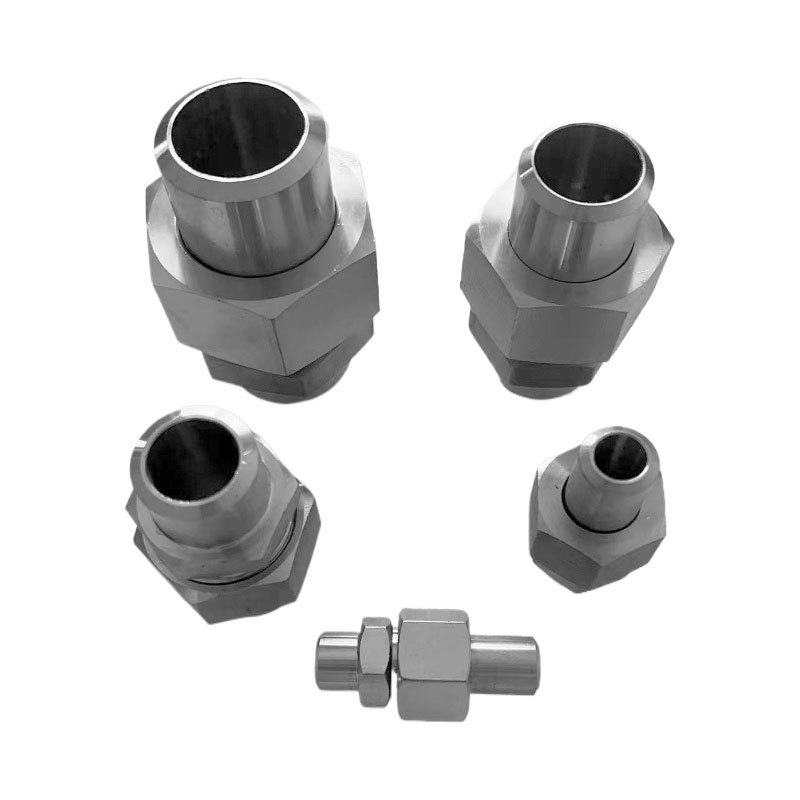
Stainless steel joints refer to the fittings and connectors used to join sections of stainless steel piping. They come in various forms, including elbows, tees, couplings, and flanges. Each type serves a specific purpose, depending on the requirements of the pipeline system. The use of stainless steel offers distinct advantages over other materials, making it a preferred choice in many industries.
The Advantages of Using Stainless Steel Joints
The benefits of stainless steel joints are numerous and contribute significantly to pipeline efficiency:
1. Corrosion Resistance
One of the primary advantages of stainless steel is its inherent resistance to corrosion. This characteristic is vital in environments where pipelines are exposed to moisture, chemicals, and other potentially damaging substances. By minimizing corrosion, stainless steel joints help prolong the life of the pipeline system, reducing maintenance costs.
2. Durability and Strength
Stainless steel joints are renowned for their strength. They can withstand high pressure and extreme temperatures, ensuring reliable performance in demanding conditions. The robust nature of these joints means that they can handle the rigors of various applications, from industrial processes to residential plumbing.
3. Low Maintenance Requirements
Because of their corrosion resistance and durability, stainless steel joints require minimal maintenance compared to those made from other materials. This quality translates into reduced downtime and lower operational costs over the lifetime of the pipeline system.
4. Enhanced Aesthetic Appeal
In decorative applications, stainless steel’s shiny, polished surface can enhance the overall aesthetic of a project. This feature makes it particularly appealing in settings where visual appearance matters, such as in architectural designs and feature installations.
5. Versatility of Applications
Stainless steel joints are versatile and can be used in a wide range of applications, including water supply systems, heating systems, and even in food processing industries. Their adaptability to different environments and requirements makes them an excellent choice for diverse projects.
Types of Stainless Steel Joints Used in Pipeline Systems
Understanding the various types of stainless steel joints is essential for selecting the right components for specific applications. Here are some of the most common types:
1. Welded Joints
Welded joints involve permanently joining two sections of pipe using welding techniques. This method creates a robust connection, minimizing the risk of leaks. Welded joints are ideal for high-pressure applications and environments where mechanical strength is paramount.
2. Flanged Joints
Flanged joints consist of two flanges bolted together, providing a strong and easily removable connection. This type of joint is commonly used in systems requiring frequent maintenance or inspection, as it allows for easy disassembly.
3. Threaded Joints
Threaded joints involve connecting pipes with male and female threads. While this offers ease of assembly, it is more suitable for low-pressure applications due to potential leakage at the threaded connections.
4. Couplings and Unions
Couplings are used to join two pipes of the same diameter, while unions allow for easy disconnection. These joints are essential for creating flexible pipeline systems that can be easily modified or maintained.
Installation Techniques for Stainless Steel Joints
Proper installation techniques are crucial for ensuring the performance and longevity of stainless steel joints. Here are some best practices to consider:
1. Preparation
Before installation, it is essential to prepare the surfaces of the pipes and joints. This involves cleaning to remove any dirt, grease, or oxidation that may hinder the connection. Proper surface preparation ensures a strong bond and minimizes the risk of leaks.
2. Alignment
Ensuring proper alignment of the pipes and joints during installation is critical. Misalignment can lead to stress on the joints, increasing the likelihood of failure. Using alignment tools can help maintain the correct positioning.
3. Torque Specifications
When installing bolted flanged joints, adhering to the manufacturer's torque specifications is vital. Over-tightening can cause damage, while under-tightening can lead to leaks. Using a torque wrench ensures that the proper force is applied.
4. Inspection and Testing
After installation, conducting thorough inspections and pressure tests is essential. This process helps identify any potential issues before the pipeline system becomes operational, ensuring reliability and efficiency.
Maintenance of Stainless Steel Joints for Optimal Performance
To maintain the efficiency of pipeline systems, regular maintenance of stainless steel joints is necessary. Here are some key considerations:
1. Routine Inspections
Implementing a schedule for routine inspections allows for the early detection of any signs of wear or corrosion. Monitoring these joints helps prevent larger issues that could compromise the entire system.
2. Cleaning
Regular cleaning of stainless steel joints helps maintain their appearance and functionality. Depending on the environment, different cleaning methods may be required, but generally, mild detergents and non-abrasive materials are recommended.
3. Monitoring for Leaks
Monitoring pipeline systems for leaks is crucial. Any signs of leakage should be addressed immediately to prevent further damage and maintain system efficiency. Utilizing leak detection technologies can streamline this process.
4. Addressing Corrosion
While stainless steel is resistant to corrosion, it is not entirely immune. Regularly inspecting for corrosion and addressing any issues promptly can help prolong the life of the joints and the overall pipeline system.
Common Applications of Stainless Steel Joints in Pipeline Systems
Stainless steel joints find applications across various industries, reflecting their versatility and reliability. Here are some common areas where they are utilized:
1. Water and Wastewater Treatment
In water treatment facilities, stainless steel joints are used to connect different sections of piping that transport treated water or sewage. Their corrosion resistance is particularly beneficial in environments prone to chemical exposure.
2. Oil and Gas Industry
In the oil and gas sector, stainless steel joints are essential for transporting hydrocarbons safely. Their ability to withstand high pressures and corrosive substances makes them an ideal choice for this demanding industry.
3. Food and Beverage Industry
The food and beverage industry relies on stainless steel joints for sanitary applications. These joints comply with stringent health standards and are easy to clean, ensuring safe transportation of products.
4. Pharmaceutical Manufacturing
In pharmaceutical production, the integrity of pipeline systems is critical. Stainless steel joints are used to ensure that the transportation of sensitive materials is done without contamination, maintaining product quality.
Future Trends in Pipeline Systems and Stainless Steel Joints
As technology advances, the future of pipeline systems and the role of stainless steel joints are likely to evolve. Here are some trends to watch:
1. Smart Pipeline Systems
The integration of smart technologies into pipeline systems is on the rise. Sensors and monitoring devices can provide real-time data on the performance of joints, allowing for proactive maintenance and improved efficiency.
2. Sustainable Materials
With a growing emphasis on sustainability, research into alternative materials that maintain the benefits of stainless steel while offering improved environmental credentials is underway. Innovations may lead to newer, more efficient joint designs.
3. Enhanced Manufacturing Techniques
Advancements in manufacturing techniques, including 3D printing, may lead to more precise and customized stainless steel joints. This development could further enhance the performance and efficiency of pipeline systems.
FAQs About Stainless Steel Joints and Pipeline Efficiency
1. Why are stainless steel joints preferred over other materials?
Stainless steel joints offer superior corrosion resistance, strength, and durability, making them ideal for various pipeline applications.
2. How can I ensure the longevity of stainless steel joints?
Regular inspection, maintenance, and proper installation techniques are key to ensuring the longevity of stainless steel joints.
3. Are threaded joints suitable for high-pressure applications?
Threaded joints are typically not recommended for high-pressure applications due to the potential for leaks at the threaded connections.
4. What industries commonly use stainless steel joints?
Stainless steel joints are widely used in industries such as water treatment, oil and gas, food and beverage, and pharmaceuticals.
5. How do I identify signs of corrosion on stainless steel joints?
Signs of corrosion may include discoloration, pitting, or visible rust. Regular inspections can help identify these issues early.
Conclusion
The impact of stainless steel joints on overall pipeline efficiency cannot be overstated. Their numerous benefits, including corrosion resistance, durability, and low maintenance requirements, make them essential components in various industries. By understanding the different types of joints, installation techniques, and maintenance practices, stakeholders can ensure optimal performance of their pipeline systems. As technology evolves, the future of stainless steel joints looks promising, with innovations set to enhance pipeline efficiency even further. Investing in quality joints and adhering to best practices will ensure that pipeline systems operate efficiently and reliably for years to come.
Key words:



Ask For A Quick Quote
Contact Us
Manager Liu
West Market, Jing County, Hengshui City, Hebei Province
Our Products
Always focused on the field of hydraulic rubber and plastic, with outstanding technical strength, high-quality products and services, we have become a leading enterprise in the industry.
PRODUCT SEARCH
Search And Quickly Find The Products You Need
With advantages in technology, quality, and service, the company is steadily advancing in the industry, continuously providing high-quality hydraulic rubber products and services to global customers, demonstrating strong development potential and broad market prospects.