
How Industrial Rubber Hoses Contribute to Sustainable Building Practices
Mar 22,2026
How Industrial Rubber Hoses Contribute to Sustainable Building Practices Table of Contents 1. Introduction to Sustainable Building Practices 2. The Role of Industrial Rubber Hoses in Construction 2.1 Material Composition and Durability 2.2 Versatility in Application 3. Environmental Impact of Rubber Hoses 3.1 Reducing Resource Consumption 3.2 Waste Management and Recycling 4. Case Studies: Industr
How Industrial Rubber Hoses Contribute to Sustainable Building Practices
Table of Contents
1. Introduction to Sustainable Building Practices
2. The Role of Industrial Rubber Hoses in Construction
2.1 Material Composition and Durability
2.2 Versatility in Application
3. Environmental Impact of Rubber Hoses
3.1 Reducing Resource Consumption
3.2 Waste Management and Recycling
4. Case Studies: Industrial Rubber Hoses in Sustainable Projects
4.1 Success Stories
4.2 Lessons Learned
5. Choosing Eco-Friendly Rubber Hoses
5.1 Certifications and Standards
5.2 Best Practices for Procurement
6. Future Trends in Rubber Hose Technology
7. Frequently Asked Questions (FAQs)
8. Conclusion
1. Introduction to Sustainable Building Practices
Sustainable building practices are essential for reducing the environmental footprint of construction activities. As the industry evolves, the focus has shifted towards materials and methods that minimize resource use, enhance energy efficiency, and promote a healthier environment. One often-overlooked component in this equation is industrial rubber hoses. These adaptable materials play a critical role in facilitating sustainable practices across various sectors of construction and architecture.
2. The Role of Industrial Rubber Hoses in Construction
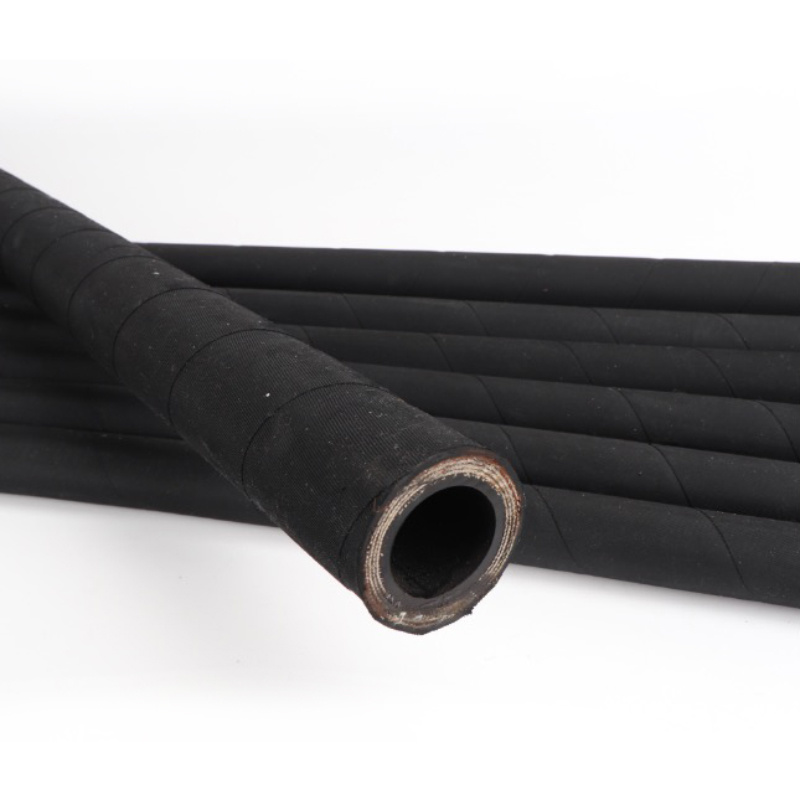
Industrial rubber hoses are versatile solutions used extensively in building and construction projects. Understanding their properties and applications can illuminate their significance in sustainable building practices.
2.1 Material Composition and Durability
Industrial rubber hoses are typically made from synthetic materials that offer excellent durability and flexibility. Unlike traditional materials, these hoses can withstand high pressures, resist wear and tear, and endure harsh environmental conditions. The longevity of rubber hoses reduces the need for frequent replacements, contributing to lower material consumption over time.
2.2 Versatility in Application
These hoses serve multiple purposes in construction, from transporting fluids and materials to providing essential functionalities in various systems like plumbing and HVAC. Their adaptability allows for innovative uses in projects aiming for sustainability, such as rainwater harvesting systems, irrigation, and even energy-efficient heating and cooling solutions.
3. Environmental Impact of Rubber Hoses
Understanding the environmental advantages of industrial rubber hoses is crucial for promoting their use within sustainable building practices.
3.1 Reducing Resource Consumption
By utilizing industrial rubber hoses in construction, there's a significant reduction in the consumption of conventional building materials. For instance, using hoses for fluid transport instead of rigid pipes reduces the amount of raw materials needed. This shift not only lowers extraction rates but also minimizes the energy required for production and transportation of traditional materials.
3.2 Waste Management and Recycling
Another critical aspect of sustainability is effective waste management. Industrial rubber hoses are often recyclable, reducing landfill waste. Many manufacturers are now focusing on producing hoses that can be repurposed after their lifecycle, contributing to a circular economy within the construction industry.
4. Case Studies: Industrial Rubber Hoses in Sustainable Projects
Real-world examples can illustrate the impact of industrial rubber hoses on sustainable building practices.
4.1 Success Stories
Several construction firms have successfully integrated industrial rubber hoses into their projects. For instance, a sustainable building project in London employed rubber hoses in its rainwater harvesting system, drastically reducing water consumption for irrigation. The flexibility and durability of the hoses facilitated easy installation and maintenance, contributing to the overall sustainability of the project.
4.2 Lessons Learned
Projects utilizing industrial rubber hoses have shown that incorporating innovative materials can yield significant environmental benefits. Key lessons include the importance of selecting high-quality hoses that meet environmental standards and understanding the implications of material choice on the entire project lifecycle.
5. Choosing Eco-Friendly Rubber Hoses
When opting for industrial rubber hoses, selecting the right products is crucial for ensuring sustainability.
5.1 Certifications and Standards
Eco-friendly rubber hoses often come with certifications that signify their compliance with environmental standards. These certifications may include ISO standards or specific environmental labels that guarantee the product's sustainability credentials.
5.2 Best Practices for Procurement
To ensure sustainable procurement of rubber hoses, consider factors such as the supplier’s commitment to environmental sustainability, the lifecycle analysis of the hoses, and their end-of-life recyclability. Engaging with suppliers who prioritize eco-friendly practices can significantly affect the sustainability of your projects.
6. Future Trends in Rubber Hose Technology
As the demand for sustainable building practices increases, innovations in rubber hose technology are emerging. Advancements are expected in areas such as biocompatible materials, enhanced recycling methods, and improved energy efficiency during production. Keeping abreast of these trends can provide construction firms with a competitive edge in sustainable building initiatives.
7. Frequently Asked Questions (FAQs)
1. What are industrial rubber hoses made from?
Industrial rubber hoses are typically composed of synthetic materials that offer durability and flexibility, making them suitable for various construction applications.
2. How do rubber hoses contribute to sustainability?
Rubber hoses reduce the need for traditional building materials, lower resource consumption, and can be recycled, thus supporting sustainable building practices.
3. Can industrial rubber hoses be recycled?
Yes, many industrial rubber hoses can be recycled, contributing to waste reduction and promoting a circular economy in construction.
4. What certifications should I look for in eco-friendly rubber hoses?
Look for certifications such as ISO standards or other environmental labels that verify the sustainability of the hoses.
5. How can I ensure I’m choosing the right rubber hose for my project?
Evaluate suppliers based on their commitment to sustainability, review product lifecycle analyses, and prioritize hoses that are recyclable or made from eco-friendly materials.
8. Conclusion
Industrial rubber hoses are indispensable in promoting sustainable building practices within the construction industry. Their versatility, durability, and potential for recycling make them an excellent choice for environmentally conscious projects. By understanding their role and implementing best practices for selection and procurement, we can significantly enhance the sustainability of our buildings and contribute to a greener future. Embracing innovative materials like industrial rubber hoses not only benefits the environment but also leads to more efficient and responsible building practices overall.
Key words:



Ask For A Quick Quote
Contact Us
Manager Liu
West Market, Jing County, Hengshui City, Hebei Province
Our Products
Always focused on the field of hydraulic rubber and plastic, with outstanding technical strength, high-quality products and services, we have become a leading enterprise in the industry.
PRODUCT SEARCH
Search And Quickly Find The Products You Need
With advantages in technology, quality, and service, the company is steadily advancing in the industry, continuously providing high-quality hydraulic rubber products and services to global customers, demonstrating strong development potential and broad market prospects.