Understanding Crimp Fittings: A Comprehensive Guide
Feb 28,2026
Dive into the world of crimp fittings, exploring their uses, benefits, and tips for installation.
What Are Crimp Fittings?
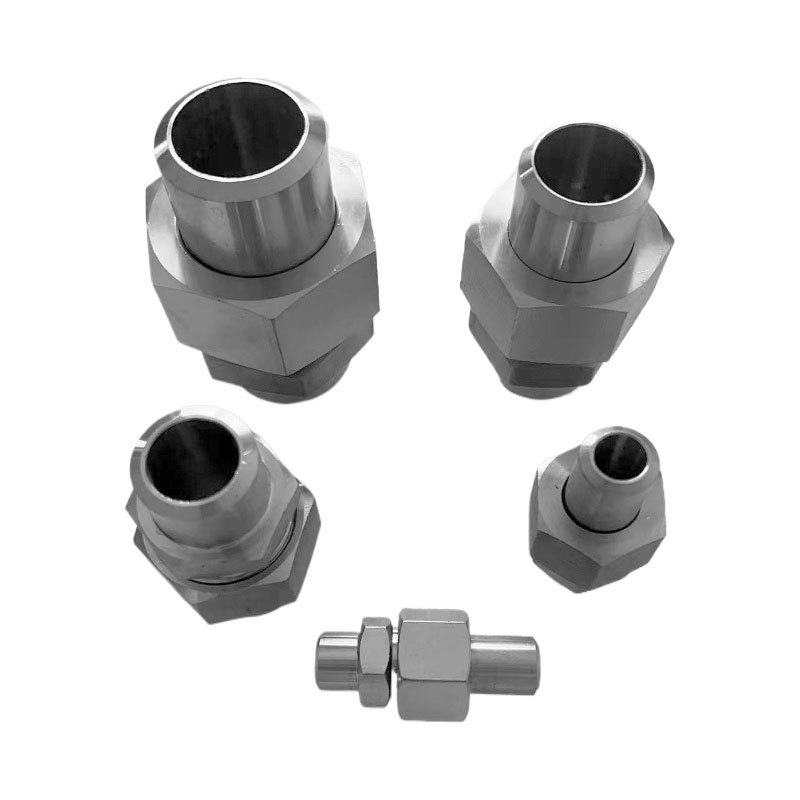
Crimp fittings are essential components in various industries, serving as connectors that join hoses and pipes securely. These nifty little devices are designed to create a tight seal, ensuring that fluids and gases flow without leaks. Whether you're an engineer, DIY enthusiast, or just curious, understanding crimp fittings can give you a leg up in many applications.
The Importance of Crimp Fittings
So, why are crimp fittings such a big deal? Well, let's break it down:
- Secure Connections: Crimp fittings provide a robust connection that can withstand high pressures and temperatures.
- Easy Installation: With just a few tools, crimp fittings can be installed quickly, saving both time and effort.
- Versatility: These fittings come in various sizes and materials, making them suitable for many applications, from automotive to plumbing.
How Do Crimp Fittings Work?
Here's the kicker: crimp fittings work by compressing a metal sleeve around the hose or pipe. This compression forms a tight grip that keeps everything in place. It's a straightforward yet effective method that doesn't require welding or threading, which can often complicate matters.
Types of Crimp Fittings
When it comes to crimp fittings, variety is the spice of life! Here are a few types you might encounter:
- Barbed Fittings: These have ridges that help grip the hose, providing a secure fit.
- Swivel Fittings: These allow for rotational movement, making them ideal for changing angles.
- Flat Crimp Fittings: Designed for specific applications, these fittings provide a flat surface for a strong seal.
Choosing the Right Crimp Fittings
Now, let's spill the beans on how to select the perfect crimp fittings for your needs. Consider the following:
- Material: Different materials (like stainless steel or brass) offer varying levels of durability and resistance to corrosion.
- Size: Ensure the fitting matches your hose or pipe diameter for a snug fit.
- Application: Think about what you're using the fitting for—whether it's for high-pressure applications or simple drainage.
Installing Crimp Fittings
Ready to get your hands dirty? Here's a quick step-by-step guide to installing crimp fittings:
- Gather Your Tools: You'll need a crimping tool, a cutting tool, and, of course, the fittings themselves.
- Cut the Hose: Ensure a clean cut for a better seal. A jagged edge can lead to leaks.
- Insert the Fitting: Slide the fitting into the end of the hose until it's snug.
- Crimp It: Use the crimping tool to compress the fitting around the hose. Make sure it's secure!
- Test the Connection: Before putting it to use, check for any leaks.
Common Mistakes to Avoid
As with any task, there are pitfalls to dodge. Here are some common blunders:
- Ignoring Compatibility: Always check if your fitting is compatible with the hose or pipe.
- Over-Crimping: Too much pressure can damage the fitting or hose, leading to failure.
- Skipping Testing: Never assume a fitting is secure without testing it first! A quick check can save you from a potential disaster.
Conclusion
In the grand scheme of things, crimp fittings play a crucial role in ensuring safety and efficiency across various applications. Understanding their function, types, and installation process can empower you to tackle projects with confidence. So, the next time you find yourself in need of a solid connection, don't overlook the mighty crimp fitting!
Key words:



Ask For A Quick Quote
Contact Us
Manager Liu
West Market, Jing County, Hengshui City, Hebei Province
Our Products
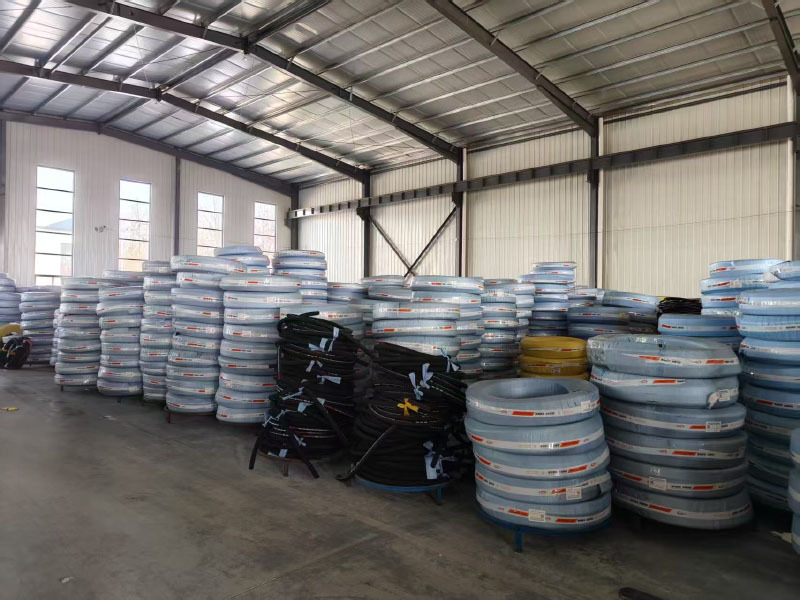
Always focused on the field of hydraulic rubber and plastic, with outstanding technical strength, high-quality products and services, we have become a leading enterprise in the industry.
PRODUCT SEARCH
Search And Quickly Find The Products You Need
With advantages in technology, quality, and service, the company is steadily advancing in the industry, continuously providing high-quality hydraulic rubber products and services to global customers, demonstrating strong development potential and broad market prospects.