Flanged rubber hose end is a durable and flexible connection component designed for secure sealing and reliable fluid transfer in industrial piping systems
Jun 24,2026
Cheap flanged rubber hose end supply offering durable, flexible, and leak-proof connection solutions for industrial fluid transfer systems

Introduction
Flanged rubber hose end is a specialized connection component used to join rubber hoses with piping systems, valves, pumps, or industrial equipment. It combines the flexibility of rubber hoses with the rigidity and sealing strength of flange connections, ensuring stable and leak-proof fluid transfer.
This type of hose end is widely used in industries such as chemical processing, water treatment, oil and gas, mining, construction, and marine engineering. It is designed to handle demanding operating conditions, including pressure fluctuations, vibration, and corrosive environments.
Structure and design
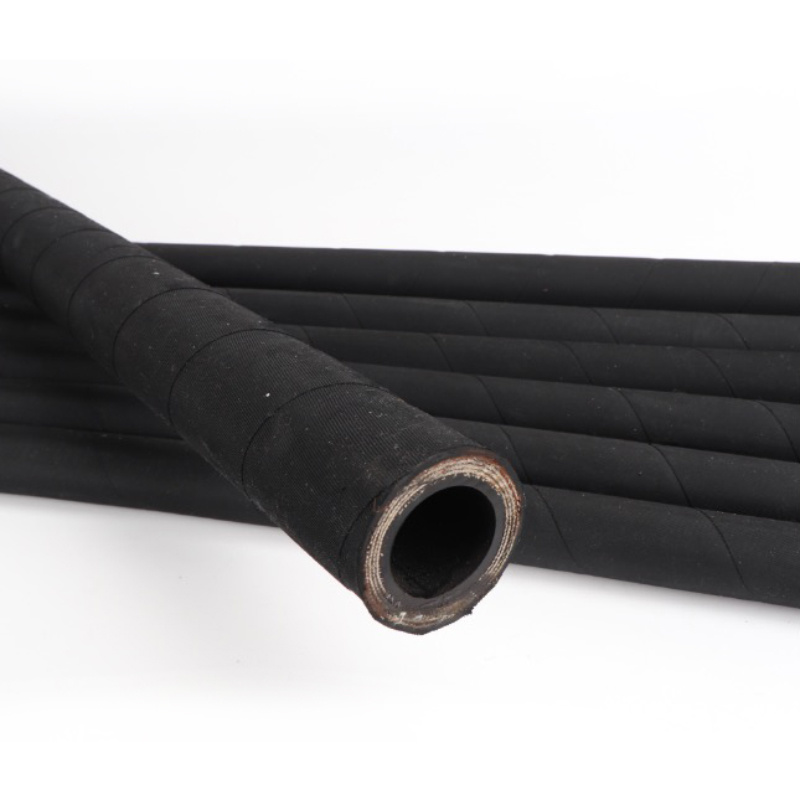
The flanged rubber hose end typically consists of a reinforced rubber hose body and a metal flange connector. The flange is usually made from carbon steel, stainless steel, or alloy steel depending on application requirements. The rubber section provides flexibility, while the flange ensures secure mechanical fastening.
The internal structure often includes multiple reinforcement layers such as textile cords or steel wire spirals. These layers improve pressure resistance and prevent hose deformation under load. The flange end is vulcanized or mechanically attached to the hose, ensuring strong bonding and long-term durability.
Material composition
Rubber materials used in flanged hose ends vary depending on working conditions. Common materials include natural rubber, EPDM, NBR, and neoprene. Each material offers different advantages:
EPDM provides excellent weather and ozone resistance
NBR offers strong oil and fuel resistance
Neoprene balances chemical and mechanical performance
Natural rubber provides high elasticity and abrasion resistance
Flanges are typically made from stainless steel for corrosion resistance or carbon steel for cost-effective applications. Surface treatments such as galvanizing or coating may be applied to enhance durability.
Manufacturing process
The production of flanged rubber hose ends involves several key steps. First, rubber compounds are prepared and formed into hose shapes using extrusion or mandrel processes. Reinforcement layers are then added to improve structural strength.
Next, the flange is prepared through forging or casting and machined to precise dimensions. The rubber hose and flange are then bonded together using vulcanization or mechanical assembly methods. This ensures a tight and durable connection.
Finally, the product undergoes pressure testing, sealing inspection, and quality control checks to ensure safety and reliability in industrial applications.
Technical specifications
Flanged rubber hose ends are available in various sizes and pressure ratings. Common specifications include:
Diameter range: small to large industrial sizes
Pressure rating: low, medium, and high pressure systems
Temperature range: suitable for both hot and cold fluid transfer
Flange standards: ANSI, DIN, JIS, or customized standards
Rubber hardness: adjusted according to application needs
These specifications allow the product to be adapted for different industrial environments.

Application fields
Flanged rubber hose ends are widely used across multiple industries due to their versatility and reliability.
In chemical plants, they are used for transferring corrosive liquids and chemical solutions. In water treatment systems, they connect pumps and pipelines for fluid circulation. In oil and gas industries, they handle fuel and petroleum transport.
In mining and construction, they are used for slurry transfer, dust suppression, and equipment connection. In marine applications, they are used in ship systems where flexibility and corrosion resistance are required.
Performance advantages
One of the main advantages of flanged rubber hose ends is their excellent sealing performance. The flange connection ensures a tight and stable joint, reducing the risk of leakage.
Another advantage is flexibility. The rubber hose section allows movement and vibration absorption, making it suitable for dynamic systems. The combination of rubber and metal also provides a balance of strength and elasticity.
They also offer high durability, resistance to wear, and adaptability to different working environments, including high-pressure and corrosive conditions.
Installation and usage
Proper installation is essential for safe operation. The flange connection must be aligned correctly and tightened according to torque specifications. Gaskets may be used to improve sealing performance.
During operation, the hose should not be excessively bent or twisted. Regular inspection is recommended to check for wear, leakage, or flange loosening. Proper maintenance ensures long service life and stable performance.
Maintenance and service life
Flanged rubber hose ends require periodic inspection to ensure safe operation. Maintenance includes checking rubber surface condition, flange integrity, and sealing performance.
Cleaning should be performed using appropriate methods depending on the transported medium. Avoid exposure to incompatible chemicals or excessive temperature conditions. With proper maintenance, the service life can be significantly extended.
Industry development trends
Modern industrial systems demand higher efficiency, safety, and durability. Flanged rubber hose ends are evolving with improved materials, better reinforcement structures, and advanced sealing technologies.
Trends include the use of high-performance synthetic rubber, corrosion-resistant alloys, and modular flange designs. These improvements enhance reliability and expand application possibilities in complex industrial environments.
Conclusion
Flanged rubber hose end is an essential component in modern fluid transfer systems. Its combination of flexible rubber structure and strong flange connection provides reliable sealing, durability, and adaptability across multiple industries. It plays a critical role in ensuring safe and efficient operation of industrial piping systems.
Key words:
Related Posts


Ask For A Quick Quote
Contact Us
Manager Liu
West Market, Jing County, Hengshui City, Hebei Province
Our Products
Always focused on the field of hydraulic rubber and plastic, with outstanding technical strength, high-quality products and services, we have become a leading enterprise in the industry.
PRODUCT SEARCH
Search And Quickly Find The Products You Need
With advantages in technology, quality, and service, the company is steadily advancing in the industry, continuously providing high-quality hydraulic rubber products and services to global customers, demonstrating strong development potential and broad market prospects.