
The Critical Role of High-Quality Industrial Rubber Hoses in Ensuring Safety
Jun 07,2026
The Critical Role of High-Quality Industrial Rubber Hoses in Ensuring Safety Table of Contents 1. Introduction: Understanding Industrial Rubber Hoses 2. The Importance of Quality in Industrial Rubber Hoses 3. Safety Implications of Using Low-Quality Hoses 4. Key Materials Used in Quality Rubber Hoses 5. The Manufacturing Process: Ensuring Quality Control 6. Industry Standards and Certifications f
The Critical Role of High-Quality Industrial Rubber Hoses in Ensuring Safety
Table of Contents
- 1. Introduction: Understanding Industrial Rubber Hoses
- 2. The Importance of Quality in Industrial Rubber Hoses
- 3. Safety Implications of Using Low-Quality Hoses
- 4. Key Materials Used in Quality Rubber Hoses
- 5. The Manufacturing Process: Ensuring Quality Control
- 6. Industry Standards and Certifications for Rubber Hoses
- 7. Maintenance Tips for Industrial Rubber Hoses
- 8. Best Practices for Selecting and Using Rubber Hoses
- 9. Conclusion: The Bottom Line on Hose Quality and Safety
- 10. FAQs
1. Introduction: Understanding Industrial Rubber Hoses
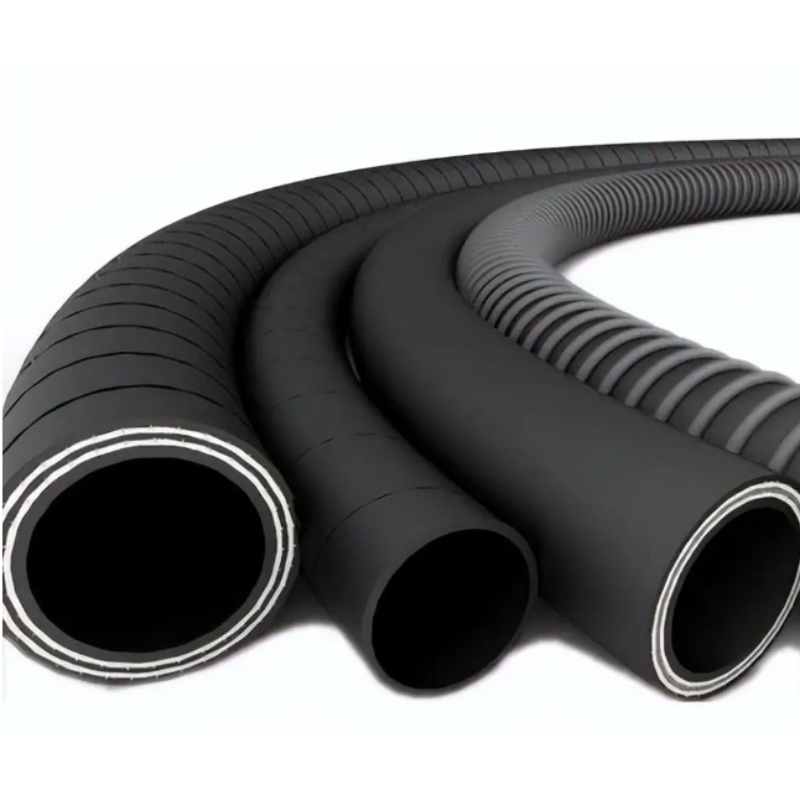
Industrial rubber hoses are essential components in various applications, from construction and manufacturing to chemical processing and food transportation. These hoses are designed to carry fluids, gases, and even solids under various pressures and temperatures. The effectiveness and safety of these operations hinge significantly on the quality of the hoses used. When it comes to ensuring operational safety, performance, and efficiency, the value of high-quality industrial rubber hoses cannot be overstated.
2. The Importance of Quality in Industrial Rubber Hoses
Quality in industrial rubber hoses translates into durability, reliability, and safety. High-quality hoses are engineered to withstand extreme conditions, including high pressures, corrosive materials, and temperature fluctuations. The importance of investing in quality hoses includes:
2.1 Enhanced Durability
Top-grade rubber hoses are constructed to last longer. Their resistances to wear and tear significantly reduce the likelihood of failure, thereby preventing hazardous situations that could arise from hose ruptures or leaks.
2.2 Operational Efficiency
Quality hoses ensure optimal fluid flow and pressure, enhancing the overall efficiency of machinery and processes. Inefficient hoses may lead to pressure drops or blockages, which can hinder operational productivity.
2.3 Safety Assurance
The safety of personnel and equipment is paramount. High-quality hoses minimize risks associated with leaks and bursts, reducing the potential for accidents and injuries in the workplace.
3. Safety Implications of Using Low-Quality Hoses
Using low-quality industrial rubber hoses can have dire consequences. Some key safety implications include:
3.1 Increased Risk of Leaks
Low-quality hoses lack the structural integrity required to contain high-pressure fluids. This can lead to leaks that pose fire hazards, environmental contamination, and health risks for workers.
3.2 Hose Failure During Operation
Hose failure can occur at any time, usually when the hose is under pressure. This sudden failure can lead to severe injuries and significant downtime for repairs, impacting business operations and profitability.
3.3 Regulatory Non-Compliance
Many industries are governed by strict regulations regarding safety equipment. Using substandard hoses may result in non-compliance, leading to legal ramifications and financial penalties.
4. Key Materials Used in Quality Rubber Hoses
The materials used in manufacturing industrial rubber hoses significantly impact their performance and safety. Common materials include:
4.1 Natural Rubber
Natural rubber is renowned for its elasticity and flexibility. It is suitable for applications requiring high flexibility and resistance to wear.
4.2 Synthetic Rubber
Synthetic rubber, such as nitrile or neoprene, offers enhanced chemical resistance and durability. These materials are often preferred for hoses used in chemical processing or where exposure to harsh substances is common.
4.3 Reinforcement Layers
Many high-quality hoses feature reinforcement layers made from materials like polyester or steel. These layers enhance the hose's strength and pressure tolerance, making them suitable for high-pressure applications.
5. The Manufacturing Process: Ensuring Quality Control
The manufacturing process of industrial rubber hoses is critical to ensuring quality. Key steps include:
5.1 Material Selection
Choosing the right raw materials is the first step in producing high-quality hoses. Manufacturers must consider the intended application and environment.
5.2 Mixing and Compounding
The rubber compounds must be mixed carefully to achieve the desired properties. This step often involves the addition of various chemicals to enhance performance characteristics.
5.3 Extrusion and Molding
The mixed rubber is then shaped into hoses through extrusion or molding processes. Precision in this phase is crucial for avoiding defects.
5.4 Quality Testing
Rigorous testing is conducted to ensure that each hose meets safety and performance standards. This includes pressure testing, burst testing, and inspection for visual defects.
6. Industry Standards and Certifications for Rubber Hoses
Adhering to industry standards and certifications is essential for ensuring the quality and safety of industrial rubber hoses. Key standards include:
6.1 ISO Certification
The International Organization for Standardization (ISO) provides frameworks for quality management systems. ISO-certified manufacturers are often more reliable.
6.2 SAE Standards
The Society of Automotive Engineers (SAE) establishes standards for hoses used in automotive and industrial applications, ensuring they meet specific performance criteria.
6.3 FDA Compliance
For food-grade applications, hoses must comply with FDA regulations to ensure they do not contaminate food products.
7. Maintenance Tips for Industrial Rubber Hoses
Proper maintenance of industrial rubber hoses extends their lifespan and ensures safety. Consider the following tips:
7.1 Regular Inspections
Conduct routine inspections for signs of wear, cracks, or leaks. Early detection can prevent catastrophic failures.
7.2 Proper Storage
Store hoses in a cool, dry place away from direct sunlight and extreme temperatures to prevent degradation of the rubber material.
7.3 Avoiding Over-Extension
Ensure hoses are not over-extended or kinked during use, as this can lead to damage and reduced performance.
8. Best Practices for Selecting and Using Rubber Hoses
Choosing the right rubber hose for your needs is critical. Follow these best practices:
8.1 Understand Your Application
Know the specific requirements of your application, including temperature, pressure, and the types of fluids involved.
8.2 Consult with Experts
Work with manufacturers or suppliers who understand your industry's needs and can recommend the best hose options.
8.3 Invest in Quality
Always prioritize quality over cost. Investing in high-quality hoses pays off in the long run through enhanced safety and reduced maintenance costs.
9. Conclusion: The Bottom Line on Hose Quality and Safety
In conclusion, the quality of industrial rubber hoses plays a critical role in ensuring safety across various applications. Prioritizing high-quality materials, manufacturing processes, and adherence to industry standards is essential for any business looking to maintain a safe and efficient operational environment. By investing in quality hoses and adhering to best practices in selection and maintenance, companies can mitigate risks, enhance productivity, and ultimately ensure the safety of their workforce.
10. FAQs
10.1 What are industrial rubber hoses typically used for?
Industrial rubber hoses are used in various applications, including transporting fluids, gases, and solids in industries such as construction, manufacturing, and chemical processing.
10.2 How can I tell if my rubber hose is of good quality?
Look for certifications from recognized industry standards, inspect for uniformity in texture and color, and check for signs of wear and tear, which indicate durability.
10.3 How often should industrial rubber hoses be replaced?
Replacement frequency depends on the usage and maintenance of the hose. Regular inspections and monitoring for wear can help determine when a hose needs to be replaced.
10.4 Are there different types of rubber hoses for specific applications?
Yes, there are various types of rubber hoses designed for specific applications, including food-grade hoses, chemical-resistant hoses, and high-pressure hoses.
10.5 What is the impact of temperature on rubber hoses?
Extreme temperatures can affect the flexibility and longevity of rubber hoses. High heat may cause degradation, while very low temperatures can make the material brittle. Always select hoses rated for the temperature requirements of your application.
Key words:



Ask For A Quick Quote
Contact Us
Manager Liu
West Market, Jing County, Hengshui City, Hebei Province
Our Products
Always focused on the field of hydraulic rubber and plastic, with outstanding technical strength, high-quality products and services, we have become a leading enterprise in the industry.
PRODUCT SEARCH
Search And Quickly Find The Products You Need
With advantages in technology, quality, and service, the company is steadily advancing in the industry, continuously providing high-quality hydraulic rubber products and services to global customers, demonstrating strong development potential and broad market prospects.