

The Advantages of Using Stainless Steel Joints in Plumbing Applications
May 30,2026
The Advantages of Using Stainless Steel Joints in Plumbing Applications Table of Contents 1. Introduction to Stainless Steel Joints 2. Key Benefits of Stainless Steel Joints 2.1 Exceptional Durability 2.2 Corrosion Resistance 2.3 Low Maintenance Requirements 2.4 Easy Installation 2.5 Aesthetic Appeal 3. Appl
The Advantages of Using Stainless Steel Joints in Plumbing Applications
Table of Contents
- 1. Introduction to Stainless Steel Joints
- 2. Key Benefits of Stainless Steel Joints
- 2.1 Exceptional Durability
- 2.2 Corrosion Resistance
- 2.3 Low Maintenance Requirements
- 2.4 Easy Installation
- 2.5 Aesthetic Appeal
- 3. Applications of Stainless Steel Joints in Plumbing
- 3.1 Residential Plumbing Applications
- 3.2 Commercial Plumbing Applications
- 3.3 Industrial Plumbing Applications
- 4. Comparing Stainless Steel Joints with Other Materials
- 5. Cost Considerations: Are Stainless Steel Joints Worth the Investment?
- 6. Frequently Asked Questions (FAQs)
- 7. Conclusion
1. Introduction to Stainless Steel Joints
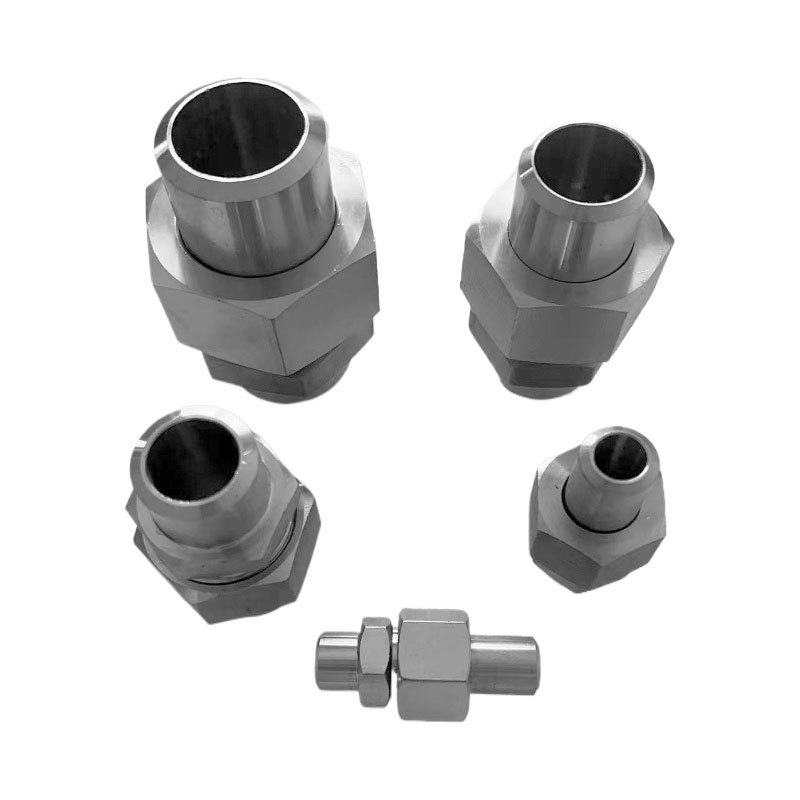
In the world of plumbing, the choice of materials can significantly impact the effectiveness and longevity of the systems we install. Among the various options available, **stainless steel joints** stand out due to their unique properties. These joints are crafted from high-quality stainless steel, known for its durability and resistance to environmental factors. This article explores the numerous advantages of using stainless steel joints in plumbing applications, providing valuable insights for both homeowners and industry professionals.
2. Key Benefits of Stainless Steel Joints
2.1 Exceptional Durability
Stainless steel is renowned for its remarkable strength and durability. Unlike traditional materials, stainless steel joints are designed to withstand high pressure and extreme temperatures, making them ideal for plumbing systems that require reliability. This exceptional durability translates to a longer lifespan for plumbing installations, reducing the frequency of repairs and replacements.
2.2 Corrosion Resistance
One of the most significant advantages of stainless steel is its resistance to corrosion. In plumbing systems, water exposure can lead to rust and degradation, which compromises the integrity of the joints. Stainless steel joints, however, contain chromium, which forms a protective layer on the surface and prevents corrosion. This property is particularly crucial in areas with harsh water conditions or where exposure to chemicals is common.
2.3 Low Maintenance Requirements
Another notable benefit of stainless steel joints is their low maintenance requirements. Unlike other materials that may require regular inspections and upkeep to prevent issues, stainless steel joints remain reliable with minimal intervention. Homeowners and plumbing professionals appreciate this feature, as it translates to reduced labor costs and less time spent on maintenance activities.
2.4 Easy Installation
The installation process of stainless steel joints is designed to be straightforward, allowing for quick and efficient assembly. Many modern stainless steel joints come with pre-fabricated designs that simplify the plumbing process, reducing the need for extensive tools or specialized skills. This ease of installation can lead to significant savings in labor costs and project timelines.
2.5 Aesthetic Appeal
In addition to their functional benefits, stainless steel joints offer aesthetic advantages that are often overlooked. The sleek and modern appearance of stainless steel can enhance the overall look of plumbing installations, making them suitable for both visible and hidden applications. Whether in residential or commercial settings, the right plumbing materials can contribute to the overall design and value of a property.
3. Applications of Stainless Steel Joints in Plumbing
Stainless steel joints are versatile and can be used in a variety of plumbing applications. This section explores some of the most common uses of stainless steel joints across different sectors.
3.1 Residential Plumbing Applications
In residential settings, stainless steel joints are increasingly favored for their durability and aesthetic appeal. They are commonly used for water supply lines, drainage systems, and heating applications. Homeowners benefit from the peace of mind that comes with using materials that are resistant to leaks and corrosion.
3.2 Commercial Plumbing Applications
Commercial plumbing systems often face higher demands compared to residential counterparts. Stainless steel joints are ideal for restaurants, hospitals, and office buildings where reliability is paramount. Their ability to handle high traffic and heavy usage makes them a preferred choice for commercial plumbing installations.
3.3 Industrial Plumbing Applications
In industrial settings, stainless steel joints are essential components in systems that transport chemicals, gases, and other substances. Their resistance to corrosion and extreme temperatures ensures that industrial plumbing systems operate efficiently and safely. This makes stainless steel joints a critical choice for industries such as pharmaceuticals, food processing, and manufacturing.
4. Comparing Stainless Steel Joints with Other Materials
When evaluating plumbing materials, it's essential to consider how stainless steel joints measure up against other common options.
4.1 Copper vs. Stainless Steel
Copper has long been a traditional choice for plumbing systems, but it comes with drawbacks, including susceptibility to corrosion and higher material costs. While copper joints can provide good service, stainless steel joints outperform copper in terms of longevity and maintenance. Additionally, stainless steel is less likely to leach harmful substances into the water supply, making it a safer choice for consumers.
4.2 PVC vs. Stainless Steel
PVC is a popular alternative for plumbing applications due to its low cost and lightweight nature. However, it lacks the durability and heat resistance offered by stainless steel. PVC joints can become brittle over time, especially when exposed to UV light or extreme temperatures. In contrast, stainless steel joints maintain their integrity over time, making them a more dependable long-term investment.
5. Cost Considerations: Are Stainless Steel Joints Worth the Investment?
While the initial cost of stainless steel joints may be higher than other materials, the long-term savings often outweigh the upfront expense. Their durability, low maintenance needs, and resistance to corrosion lead to fewer repairs and replacements, ultimately saving money in the long run. When considering the overall value, stainless steel joints present a prudent investment for both residential and commercial plumbing systems.
6. Frequently Asked Questions (FAQs)
What are stainless steel joints?
Stainless steel joints are connections made from high-quality stainless steel used in plumbing systems. They are known for their durability, resistance to corrosion, and ability to withstand high pressure and temperatures.
Why should I choose stainless steel joints over other materials?
Stainless steel joints offer exceptional durability, low maintenance requirements, and corrosion resistance, making them a reliable choice for plumbing applications. They also have aesthetic appeal and are easy to install.
Can stainless steel joints be used for both residential and commercial plumbing?
Yes, stainless steel joints are versatile and suitable for various plumbing applications, including residential, commercial, and industrial settings.
How do I maintain stainless steel joints?
Stainless steel joints require minimal maintenance. Regular inspections for leaks and ensuring they remain clean are sufficient to keep them in good condition.
Are stainless steel joints more expensive than other options?
While the upfront cost may be higher, the long-term benefits and savings on maintenance and repairs often make stainless steel joints a more economical choice in the long run.
7. Conclusion
In summary, the advantages of using stainless steel joints in plumbing applications are both substantial and multifaceted. From their exceptional durability and corrosion resistance to aesthetic appeal and low maintenance requirements, stainless steel joints provide a superior option for modern plumbing systems. Whether for residential, commercial, or industrial applications, investing in stainless steel joints can lead to long-term savings and peace of mind. By choosing stainless steel, you’re not just selecting a material; you’re ensuring a reliable plumbing infrastructure that stands the test of time.
Key words:


Ask For A Quick Quote
Contact Us
Manager Liu
West Market, Jing County, Hengshui City, Hebei Province
Our Products
Always focused on the field of hydraulic rubber and plastic, with outstanding technical strength, high-quality products and services, we have become a leading enterprise in the industry.
PRODUCT SEARCH
Search And Quickly Find The Products You Need
With advantages in technology, quality, and service, the company is steadily advancing in the industry, continuously providing high-quality hydraulic rubber products and services to global customers, demonstrating strong development potential and broad market prospects.