

Top Benefits of Using Hydraulic Rubber Hoses in Building Materials
May 26,2026
Top Benefits of Using Hydraulic Rubber Hoses in Building Materials Table of Contents 1. Introduction to Hydraulic Rubber Hoses 2. Understanding Hydraulic Rubber Hoses 2.1 What Are Hydraulic Rubber Hoses? 2.2 Role in Construction Materials 3. Key Benefits of Hydraulic Rubber Hoses 3.1 Enhanced Durability 3.2 Sup
Top Benefits of Using Hydraulic Rubber Hoses in Building Materials
Table of Contents
- 1. Introduction to Hydraulic Rubber Hoses
- 2. Understanding Hydraulic Rubber Hoses
- 3. Key Benefits of Hydraulic Rubber Hoses
- 3.1 Enhanced Durability
- 3.2 Superior Flexibility
- 3.3 High Temperature Resistance
- 3.4 Cost Efficiency
- 3.5 Reduced Downtime
- 3.6 Improved Safety
- 4. Applications of Hydraulic Rubber Hoses in Construction
- 5. Maintenance of Hydraulic Rubber Hoses
- 6. Frequently Asked Questions
- 7. Conclusion
1. Introduction to Hydraulic Rubber Hoses
In the world of construction and building materials, **hydraulic rubber hoses** are indispensable. These hoses play a critical role in various piping systems, enabling efficient fluid transfer in machinery and structures. Understanding the **benefits of using hydraulic rubber hoses** can significantly impact project success, from enhancing safety to improving operational efficiency.
2. Understanding Hydraulic Rubber Hoses
2.1 What Are Hydraulic Rubber Hoses?
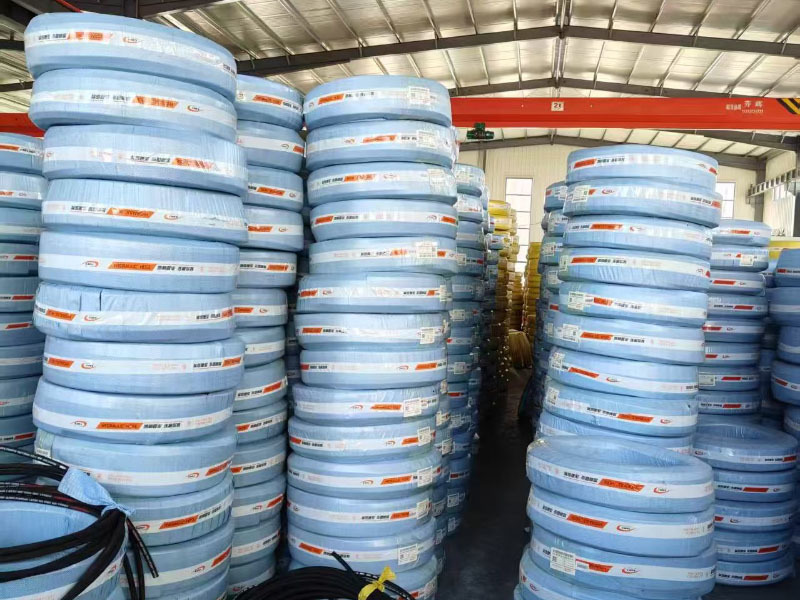
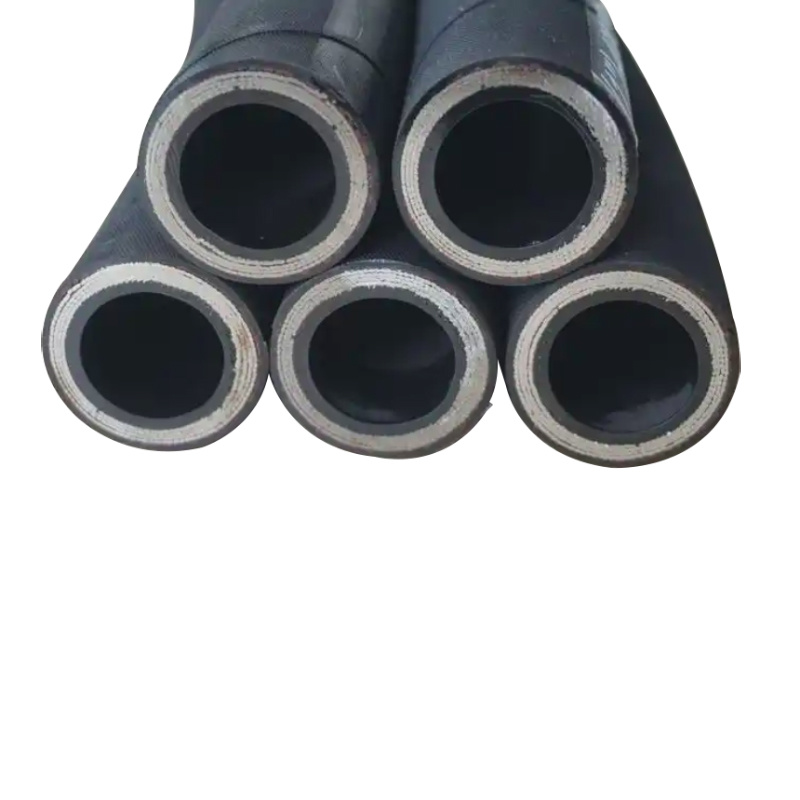
Hydraulic rubber hoses are specialized tubes designed to transport hydraulic fluids under high pressure. They are typically made of rubber reinforced with various materials, such as fabric and steel, to enhance their strength and durability. These hoses are engineered to withstand extreme conditions, ensuring continuous operation in demanding environments.
2.2 Role in Construction Materials
In construction, hydraulic rubber hoses serve a vital function, connecting different hydraulic systems. They’re used in various applications, including concrete pumping, excavation equipment, and material handling. Their reliability and performance make them a preferred choice for modern construction projects.
3. Key Benefits of Hydraulic Rubber Hoses
3.1 Enhanced Durability
One of the standout features of hydraulic rubber hoses is their **exceptional durability**. These hoses are built to withstand harsh environmental conditions, including exposure to chemicals, UV light, and extreme temperatures. Their robust construction allows them to endure wear and tear, reducing the likelihood of leaks or failures.
3.2 Superior Flexibility
Hydraulic rubber hoses offer remarkable **flexibility**, making them easy to install and maneuver in tight spaces. This flexibility allows for seamless integration into existing systems, enabling contractors to adapt to various project requirements without compromising performance.
3.3 High Temperature Resistance
In construction settings, equipment often operates under temperature extremes. Hydraulic rubber hoses are designed to maintain their integrity and performance even at elevated temperatures, preventing breakdowns and ensuring continuous operation.
3.4 Cost Efficiency
Investing in high-quality hydraulic rubber hoses can lead to significant **cost savings** over time. Their durability reduces the need for frequent replacements, and their efficiency can enhance the overall performance of hydraulic systems, leading to lower operational costs.
3.5 Reduced Downtime
Downtime in construction can be costly. Using hydraulic rubber hoses minimizes the risk of failures and leaks, ensuring that projects stay on schedule. Reliable performance translates to less time spent on repairs and maintenance, allowing for more efficient project completion.
3.6 Improved Safety
Safety is paramount in construction environments. Hydraulic rubber hoses are designed with safety features that prevent bursting and leaks, reducing the risk of accidents. Their reliability ensures that machinery operates safely, protecting workers and equipment alike.
4. Applications of Hydraulic Rubber Hoses in Construction
Hydraulic rubber hoses find a wide range of applications in the construction industry. Some common uses include:
- **Concrete pumping**: Transferring concrete efficiently and reliably.
- **Excavation equipment**: Powering hydraulic systems in diggers and excavators.
- **Material handling**: Assisting with the movement of heavy materials on construction sites.
These applications highlight the versatility and functionality of hydraulic rubber hoses, making them essential tools for construction projects.
5. Maintenance of Hydraulic Rubber Hoses
Proper maintenance of hydraulic rubber hoses is crucial for ensuring their longevity and performance. Here are some maintenance tips:
- **Regular inspections**: Check for wear, cracks, or leaks to catch potential issues early.
- **Cleaning**: Keep hoses free of debris and contaminants that can cause damage.
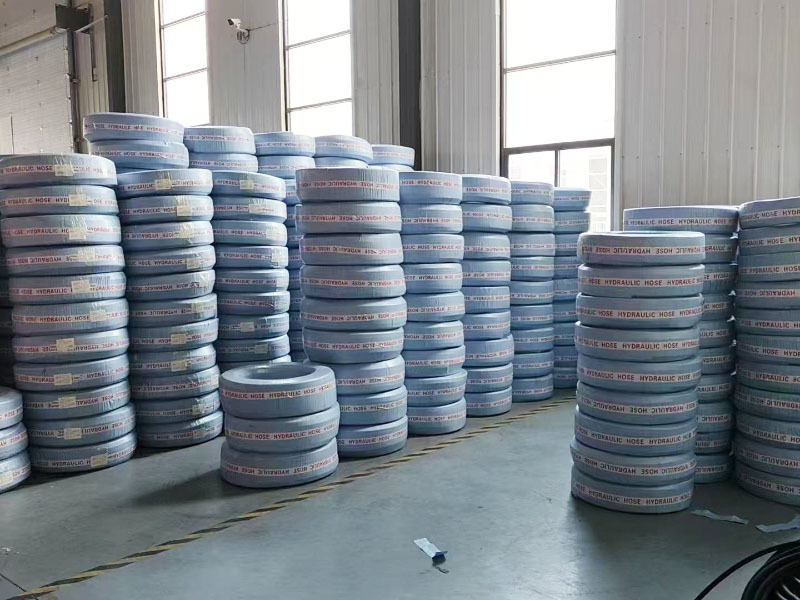
- **Proper storage**: Store hoses properly when not in use to prevent kinks and damage.
Following these maintenance practices can help extend the life of hydraulic rubber hoses and maintain their efficiency.
6. Frequently Asked Questions
What are hydraulic rubber hoses used for?
Hydraulic rubber hoses are primarily used in construction for transferring hydraulic fluids in machinery and equipment, such as excavators and concrete pumps.
How long do hydraulic rubber hoses last?
The lifespan of hydraulic rubber hoses can vary based on usage and maintenance but typically ranges from 5 to 10 years with proper care.
Can hydraulic rubber hoses withstand extreme temperatures?
Yes, hydraulic rubber hoses are designed to operate effectively under a wide range of temperatures, making them suitable for various construction applications.
What maintenance is required for hydraulic rubber hoses?
Regular inspections, cleaning, and proper storage are essential maintenance practices to ensure the longevity and reliability of hydraulic rubber hoses.
Are hydraulic rubber hoses safe to use?
Yes, when used correctly, hydraulic rubber hoses are safe. They are designed with features that minimize risks such as bursting or leaks, ensuring safe operation in construction environments.
7. Conclusion
Hydraulic rubber hoses are essential components in modern construction and building materials. Their durability, flexibility, temperature resistance, cost efficiency, and safety make them invaluable to contractors and project managers alike. By understanding the benefits and applications of these hoses, stakeholders can make informed decisions that enhance productivity and safety on construction sites. Investing in high-quality hydraulic rubber hoses not only improves performance but also contributes to the overall success of building projects, ensuring that they are completed efficiently and safely.
Key words:


Ask For A Quick Quote
Contact Us
Manager Liu
West Market, Jing County, Hengshui City, Hebei Province
Our Products
Always focused on the field of hydraulic rubber and plastic, with outstanding technical strength, high-quality products and services, we have become a leading enterprise in the industry.
PRODUCT SEARCH
Search And Quickly Find The Products You Need
With advantages in technology, quality, and service, the company is steadily advancing in the industry, continuously providing high-quality hydraulic rubber products and services to global customers, demonstrating strong development potential and broad market prospects.